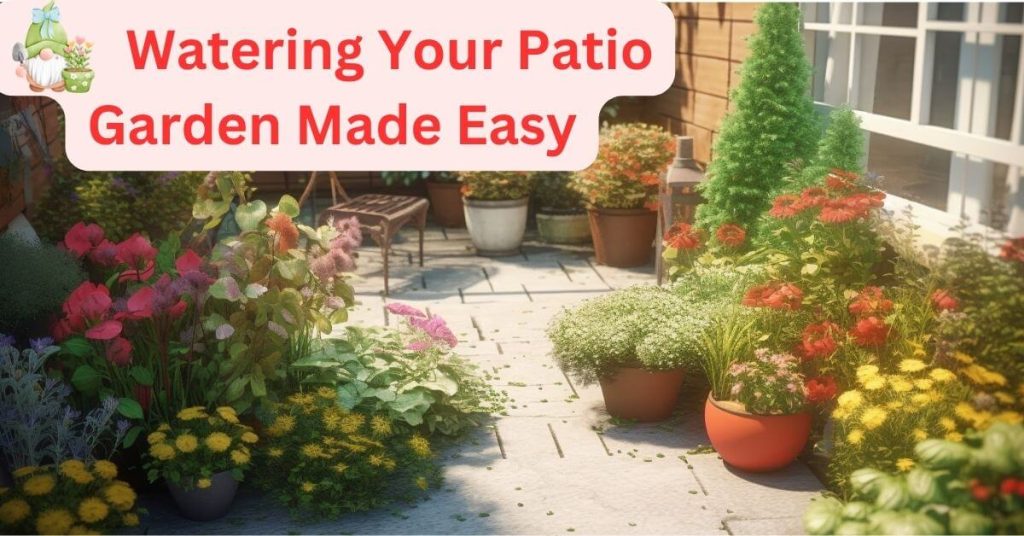
Have you thought about starting a small patio garden? That’s fantastic – tending a garden can be a very rewarding and satisfying experience. It’s possible that you’ve heard the myth that caring for your patio garden requires a lot of money and takes a lot of effort. Don’t let this prevent you from achieving your objectives. It’s well worth the effort to learn how to care for the plants in your patio garden.
My personal experience with a patio garden has taught me that the amount of attention required varies based on the type of plant. Certain species require more water, while others thrive in direct sunlight. You should also fertilize your plants on a regular basis. In general, most plants will need weekly watering and occasional trimming/pruning/cleaning. You may also need to purchase additional containers, fertilizers, and other supplies. So, don’t forget to include these costs in your spending plan.
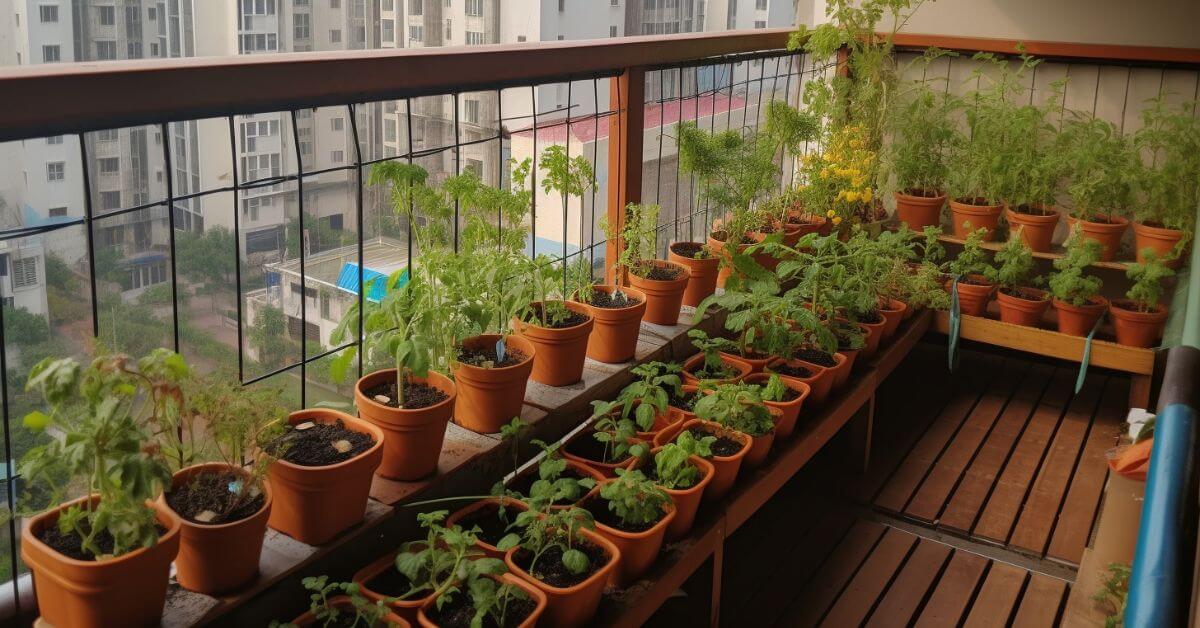
Gardening on a patio necessitates dedication and time, as well as money (but not as much as a traditional garden). However, it also has its benefits. Fresh air, as well as a bountiful harvest, will greet you.
3 Requirements
Plants need three main things to survive: water, nutrients and light (sun). Depending on the orientation of your patio – whether it faces south or north and if there’s lots or no wind – will determine what kind of plants will be best for it. But don’t worry, with a little research and experimentation, you’ll find the perfect plant fit for your space.
Not only will they look great, but they will also help improve air quality by absorbing carbon dioxide from the atmosphere. Plus having something living right outside your window is really cool – just think about all those bugs buzzing around during summertime!
Watering Options
Are you tired of having to water your patio garden every day? Do you wish there was an easier way to keep your plants healthy and hydrated? Well, if so, then we have the perfect solution for you: install an irrigation system or use self-watering pots.
Installing an irrigation system may seem like a lot of work at first but it can actually save time in the long run. It will make sure that all areas of your garden are getting enough water without any effort from you. Plus, it’s more efficient than just using a watering can since it distributes water evenly over all parts of the garden.
Self-watering pots are also great options if you only have a few plants in your balcony or patio area. All they require is that once in a while when their lever shows a low amount – you fill them up with some fresh water and they’ll take care of themselves. This ensures that each plant has access to enough moisture without causing root rot by leaving them submerged too long in standing water.
Installing either one these systems will help save both money and energy while still keeping those greens happy and healthy.
Nutrients
Did you know that plants need nutrients to stay healthy and strong? Just like we humans need food to grow and be our best selves, plants also require certain elements in order to thrive. Luckily for us, there are lots of ways we can give them the nutrition they need.
One way is by adding liquid or tablet form nutrient supplements directly into their water. This is a great option if you don’t want any mess or hassle when it comes time for feeding your plants. Another way is through compost – either store-bought or homemade using kitchen scraps from fruits and veggies (which helps reduce waste too). There are even special stickers available that contain all the essential nutrients needed for plant growth; simply stick them into the soil near your plant’s roots and let nature do its thing.
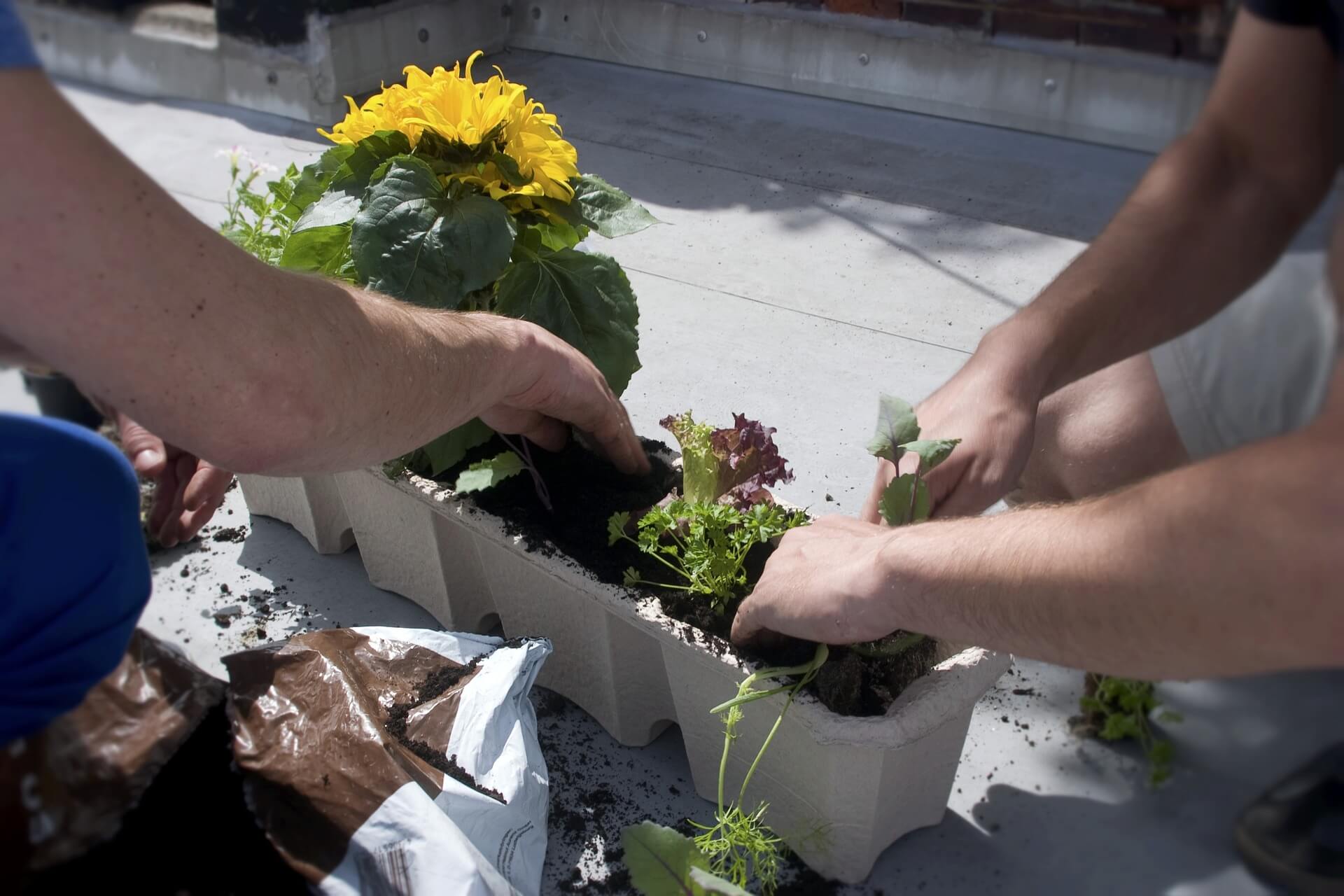
No matter which option works best for you, providing proper nutrition doesn’t have to be difficult nor take up much of your precious time.
Light Exposure
Plants need light in order to grow, just like us humans do. This light can come from a natural source such as the sun or if that’s not possible, from lamps that simulate sunlight. It doesn’t take much time or effort on your part – all you have to do is make sure your plants are getting enough of this important resource.
Additionally, some plants may also need shade in addition to their daily dose of sunshine – be sure to look into what kind of environment works best for each type before planting them.
Winter Protection
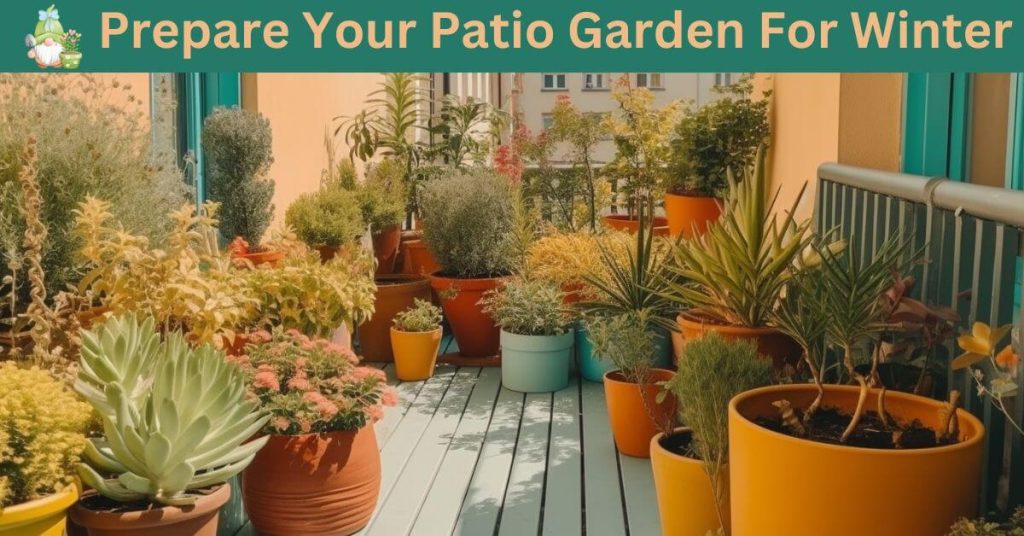
During winter your plants may need some extra care. Whether you live in the northern or southern hemisphere, it’s important to make sure your plants are protected from the cold weather. If you have an outdoor patio area, the landscaping around it may aid in the retention of heat. You can also cover your plants with sphagnum moss, compost, wood shavings or blankets to create a greenhouse-like environment for them. If necessary, you might even want to move some of your outdoor potted plants inside if they don’t support lower temperatures outside during wintertime. With a few basic precautions, you can rest assured that your garden will thrive through whatever Mother Nature throws at us.
Caring for Your Patio Garden – Special Considerations
If your patio garden is in an awkward position or your climate that makes things difficult – don’t worry. There are still ways to make your plants flourish. You just need to take some special needs into consideration.
First of all, consider the amount of wind and sun exposure on your patio. If there is too much wind, try adding some kind of barrier like a trellis or tall shrubs around the edges. If there isn’t enough sunlight reaching certain areas, use reflective surfaces such as mirrors and light-colored stones to help direct more light towards those spots where plants need it most.
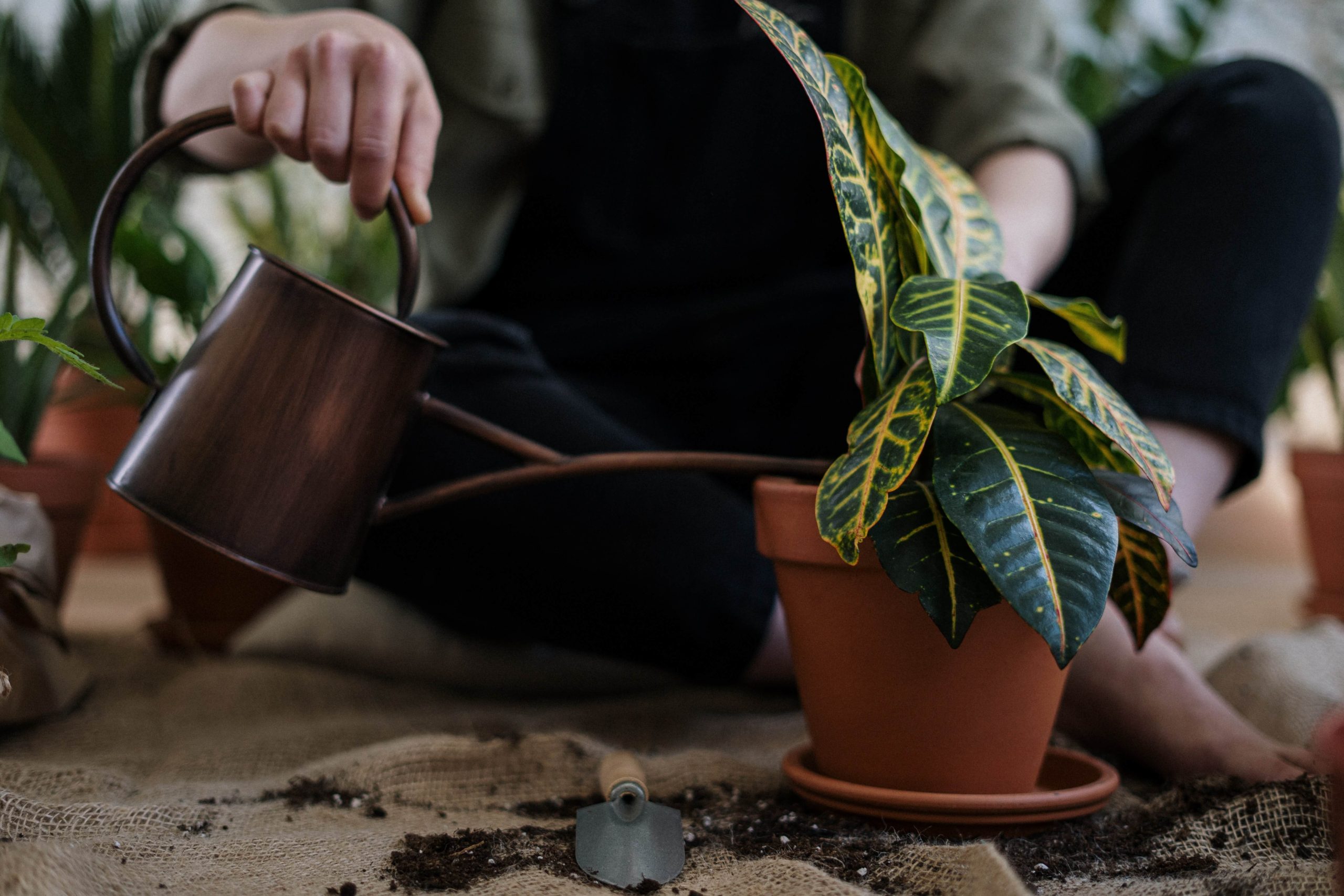
Also be sure to choose hardy plant varieties suitable for colder climates when planting in winter months. These will have better chances at surviving extreme temperatures without additional protection from snow and frost damage than other species that might not be able to handle it as well. Finally remember that with proper care and maintenance (like watering regularly), even those tricky patios can become beautiful gardens full of life.
Understand Your Plants
Taking the time to learn about your plants before buying them can be a great way to save money and trouble in the long run. For example, some plants need very little water, and some need a lot of water. This should be taken into consideration when choosing a pot/container for that particular plant or designing an irrigation system. Additionally, there are certain types of plants that may attract pests or illness more easily than others – something else worth being aware of ahead of time.
Finally, it’s always helpful to keep track of how you care for each plant as well as any special treatments they require in case someone else needs to take over while you’re away on vacation or sick. So, get out there and start learning about all those amazing (and sometimes tricky) green friends!
Your Climate
Depending on where you are and the type of environment you have, it may be easier or more difficult to care for your plants and keep them healthy.
For example, if you live in an area with lots of rain throughout the year, then naturally you won’t need to water your garden nearly as often as someone who lives in a dryer climate. On the other hand, though, if there are strong winds in your area that could damage delicate plants and dry out the soil quicker than normal – then setting up screens or windbreaks can help protect them from those gusts.
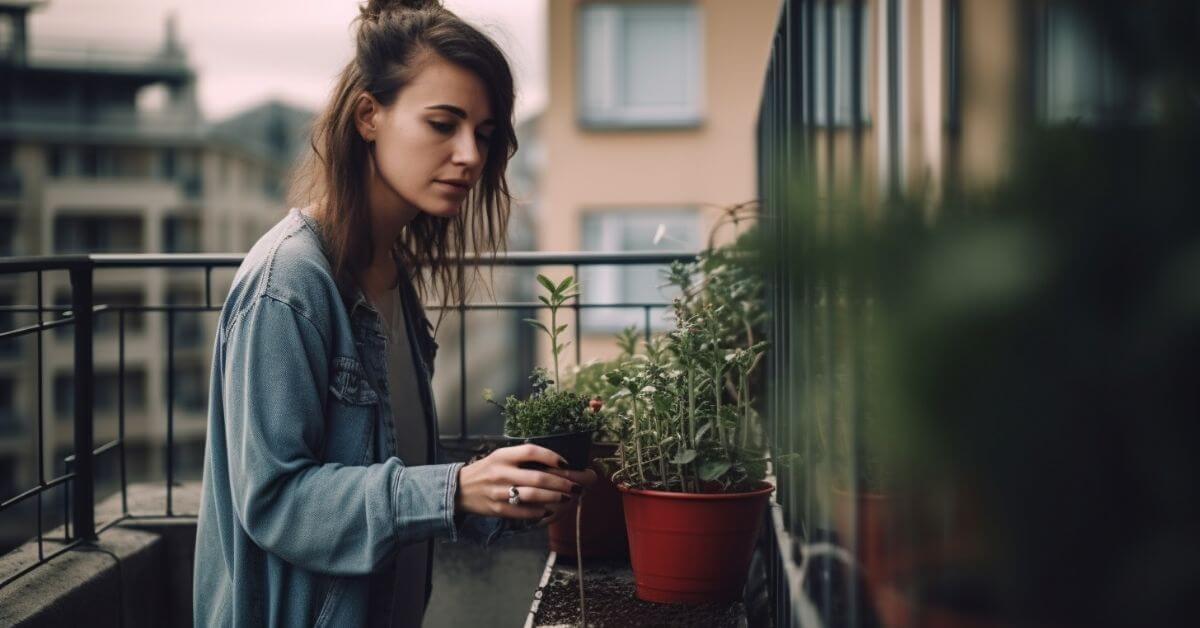
No matter where you live – with some planning ahead and proper maintenance – you can create a beautiful space filled with flowers and vegetables that will bring joy all season long.
Summary
A little planning and consideration can go a long way when it comes to caring for your patio garden. Taking the time to think about what plants will work best in your space, how much sunlight they need, and other factors such as water requirements is essential for creating an enjoyable outdoor gardening oasis.
Having everything planned out before planting makes caring for your patio garden much easier down the road – no more guesswork or surprises. With some thoughtfulness up front, you’ll be able to make sure all of your plants get what they need while also ensuring that your patio looks great too.
So don’t forget – just a bit of planning and consideration now will help ensure that both you AND your patio garden thrive in the future!