Unless you live in a climate that doesn’t have extreme changes you will need to prepare your patio garden for winter. Winter is the coldest period of the year and can bring with it rain, snow, hail and even ice.
So, what precautions can you take to help your plants survive?
First things first – if possible, move any potted plants into a sheltered area such as an indoor porch or garage before temperatures drop too low. If this isn’t possible then use mulch around their base and wrap them up in blankets during extreme weather conditions like frosty nights.
Make sure they are also well watered throughout winter so that their roots don’t dry out from the cold air outside. In addition, adding some fertilizer will give them extra nutrients which will help keep them healthy over winter months too.
Finally remember that pruning back any dead leaves or branches on trees and shrubs is important for maintaining good health all year round – this way new growth won’t be hindered by old foliage when spring comes around again.
Understand How Your Plants Handle Winter Weather
We know that moving your plants from the patio to somewhere inside your home is an option, but it may be hard to do or even impossible. But don’t worry – there are ways you can help keep them safe and healthy during colder weather.
The first step is to research each of your plants so you can understand how they will handle changes like lower temperatures, more or less water-supply, and more or less wind. Temperature is especially important here –you can only compensate for lower temperatures up to a point.
Once you know which plants need special care and protection against the elements (like sheltering them from strong winds), then it’s time think about what other measures might help make things easier on those sensitive species – such as providing extra water when needed and adding additional light sources if necessary.
Taking these steps should ensure that all your patio garden plants stay happy until springtime comes around again!
Protect Your Plants From Cold Temperatures
Are you looking for ways to protect your outdoor plants from cold temperatures? We’ve got some great ideas to share with you.
One way is by setting up fences around them, especially if it gets cold in the wintertime. You can get ones made of thick plastic or glass that will form a kind of greenhouse and keep your plants warm and cozy. Another option is to cover the lower parts of each plant with layers of mulch, bubble wrap, straw or cloth – this will help protect them from frosty temperatures too.
Finally, if your patio has plexiglass walls (or even clear PVP tarp) or waterproof curtains surrounding it then you might want to place a heater outside as well. This should help keep any chilly winds away so that all your plants stay safe and sound throughout the colder months.
Watering Needs
During the winter season you also need to think about how much water your plants need. Some plants don’t require a lot of water during the winter, while others may need the same amount as any other season. It all depends on where you live and what kind of environment you have in your area.
For example, if you get a lot of rain in your area during the winter months then some of your plants might be getting too much moisture so make sure to protect them from over-watering. On the other hand, if there is not enough rain or humidity in your area then some extra care might be needed for those types of plants by manually watering them more often than usual.
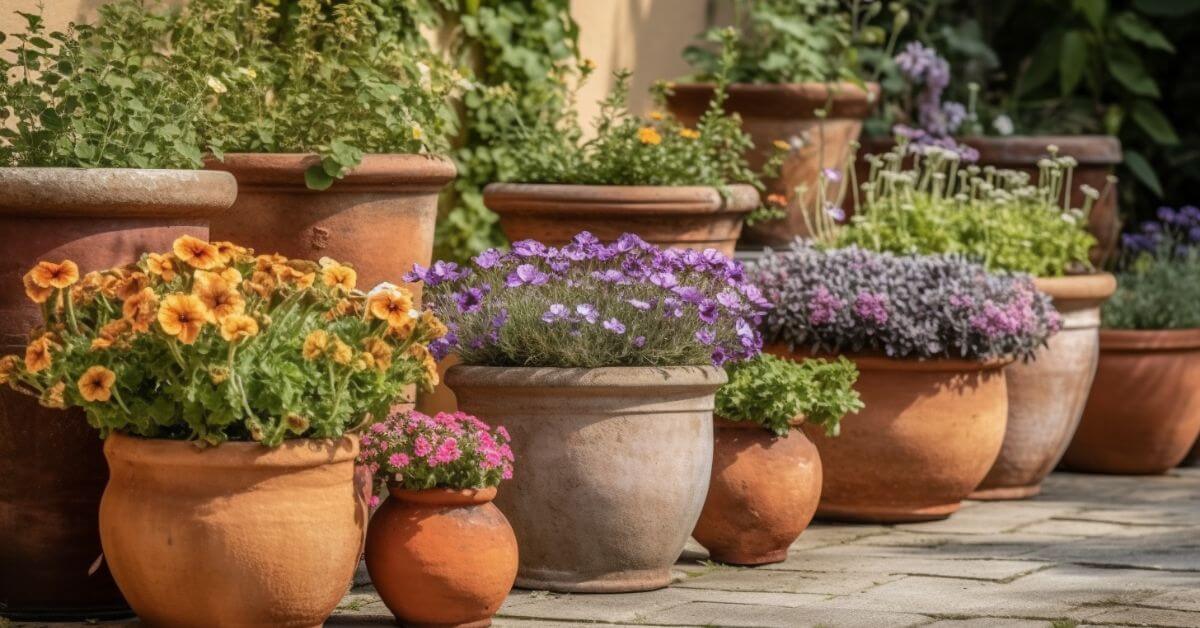
So, take this opportunity to investigate local conditions around you as well as research which type of plant needs specific amounts and kinds of care depending on their individual watering needs – it will help keep all these special little friends healthy throughout the cold season!
Protection From The Wind
As the winter season approaches, it’s important to take extra precautions for your plants from the wind. Wind can be especially damaging during this time of year and can leave your plants exposed and without water. But don’t worry – you can protect them by setting up windbreaks around them. This will help shelter them against the wind, snow, and hail that comes with winter weather. Not only is this step beneficial in protecting your plants but it also brings a little warmth to them too – which is always nice on those cold days.
If some of your plants still wouldn’t be able to survive outdoors despite these precautions, consider moving them inside where they’ll stay safe from the elements until spring arrives again.
Move Fragile Plants Inside
Do you have some plants that need a little extra TLC? If so, one of the best solutions for them may be to move them inside.
Now, this could turn out to be easier said than done depending on how they are currently growing. Are they in pots or containers? Or maybe even raised beds? There is a big difference between how you should handle each situation when it comes time to move your plants indoors.
If your plants are in pots or containers, then moving them inside can be relatively easy and straightforward – just pick up the pot and bring it into an area with enough light (but not direct sunlight) such as near a windowsill.
On the other hand, if your plants are planted directly into raised beds outdoors then things get slightly more complicated; however, don’t worry because we have some tips here too.
First off make sure all necessary tools like shovels & trowels etc., are available before attempting any digging; after that use those same tools and carefully remove all dirt from around their roots without damaging any stems or leaves as much as possible.
Once everything has been removed place each individual plant in separate buckets filled with moist soil until ready to replant elsewhere indoors later.
Lastly try using wheelbarrows/carts when relocating entire raised bed frames themselves instead of lugging these heavy items manually – doing so will help reduce strain while also ensuring the fragile root systems remain intact during transit.
Relocating Plants in Pots or Containers
Small plants in pots or containers are easily moved. Bigger plants or those inside self-watering pots may cause a slightly bigger challenge, but with some help it can still be done.
If you have large containers and pots or larger trees in terracotta pots that are too heavy to move on your own, try adding them to a transport trolley and rolling them where they need to go. If you’re moving them inside, just make sure there’s something underneath the pot so it doesn’t ruin your carpet or floor when moving them around.
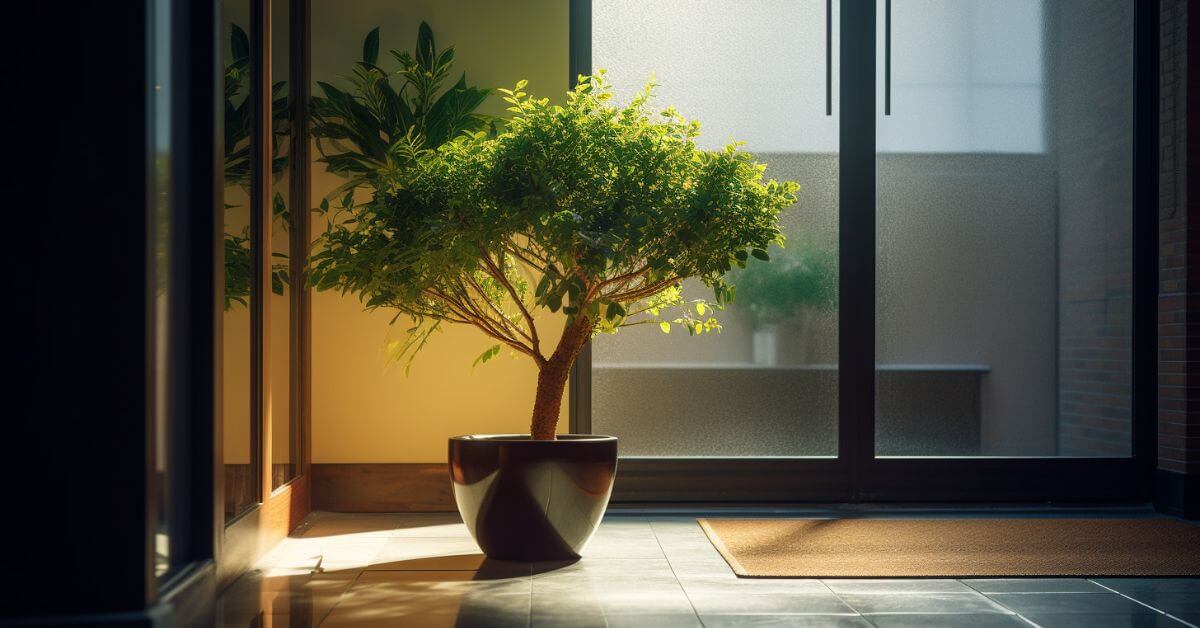
Also, remember that before moving any of these potted plants to a new location during the winter months, first make sure that they will be getting the right amount of light in that area.
Fragile Raised Bed Plants
With raised bed plants it’s not as simple as moving your other plants around during the winter. A raised bed will contain a lot of soil, mulch and stones so if you try to move it, it could create quite a mess and be a major project.
If this is something that you need to do, however, we suggest digging up any fragile plants from your existing raised beds and keeping them in pots for wintertime. You may need larger pots depending on how deep or wide their roots are. It might take some effort now but at least your plants will survive.
Choosing An Indoor Location
Moving your outdoor plants indoors can be a bit tricky and overwhelming at first, but don’t worry – we’ve got some tips here to help make sure they stay healthy and happy throughout the colder months.
First off, remember that when moving them inside from outside, there will be a big change in temperature which may shock them at first. To avoid any problems due to too much heat or dryness try not to move them into rooms with radiators or fireplaces as these can cause damage over time.
Instead place your plant near windows so they get enough sunlight without being exposed directly to hot air sources like radiators or direct sunlight on sunny days (which is especially important during winter).
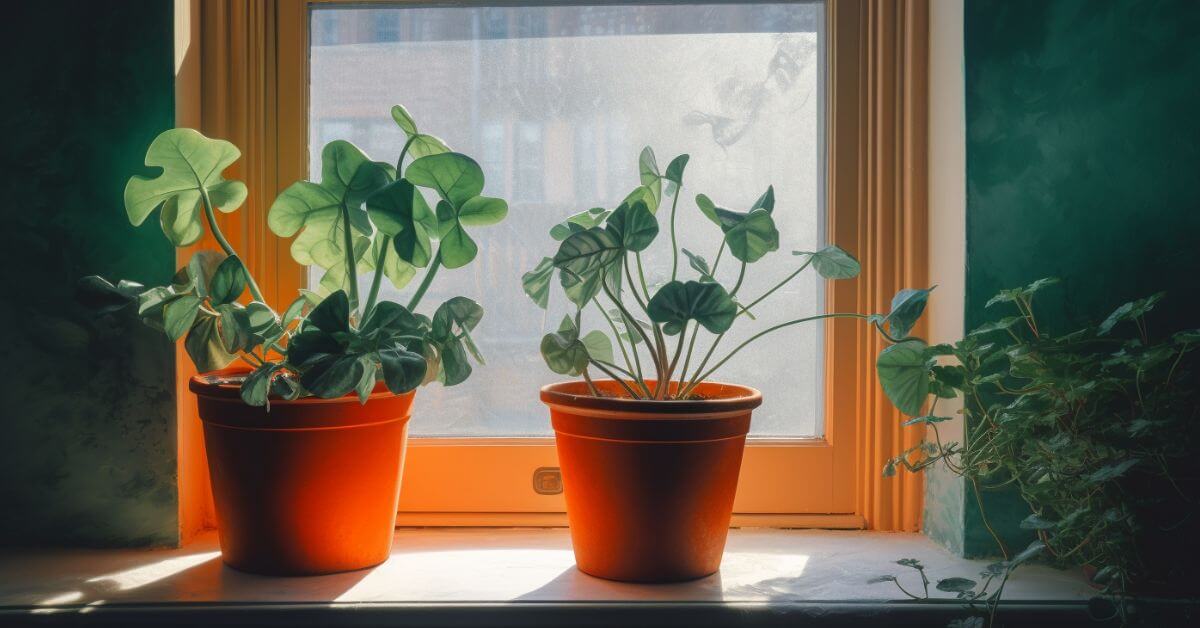
Also keep an eye out for signs of stress such as wilting leaves – if you spot anything unusual then check if things have changed in their environment such as temperature changes etc., before taking action.
Finally, make sure you water regularly but do not over-water – this could lead to root rot which would unfortunately end up killing your plant.
Summary
It’s that time of year again – the leaves are changing colors and the temperature is dropping. But don’t let that stop you from enjoying your patio plants this winter! With a bit of planning, you can keep your plants healthy and thriving all through the cold season.
First things first – make sure to bring in any potted plants or other delicate species before temperatures dip too low. If they need to stay outside, then cover them with frost cloth or a tarp during especially cold nights. You should also water regularly (but not too much) so that their roots won’t dry out due to windy days or unexpected snowfall. And if possible, add some mulch around them for extra insulation against sudden drops in temperature as well as protection from extreme weather conditions like hailstorms and heavy winds.
Lastly, research each plant species carefully before planting it outdoors so you know exactly what kind of care it needs throughout different seasons – this will help ensure its longevity over time. So, be sure to prepare your patio garden for winter and give your plants the best chance of surviving. We hope these tips have helped get you started on planning for winter patio gardening success.