Are you tired of dealing with pests in your patio garden? It can be frustrating to put time and effort into your plants, only to have them destroyed by insects and other pests.
Luckily, there are natural ways to keep your patio garden pest-free without resorting to harsh chemicals that can harm the environment and your plants. In this article, we’ll explore some effective techniques for patio garden pest control that you can use to keep your outdoor space healthy and thriving.
Before we dive into the tips, let’s take a closer look at the common pests that threaten your patio garden.
Some of the most common pests include fungi, viruses, caterpillars, slugs, snails, beetles, moths, and mites. If you notice any of the following signs, your plants may have already been attacked:
- Spots (typically white or yellow) on their leaves
- Curling leaves
- Leaves that are gone, eaten, or chewed
- Dead plants or sprouts
Now that you know what to look for, let’s dive into our five natural pest control tips for your patio garden.
Tip #1: Prevent with Other Plants
One of the easiest and most effective ways to control pests in your patio garden is through companion planting. This technique involves planting certain plants together that have natural repellent properties for pests.
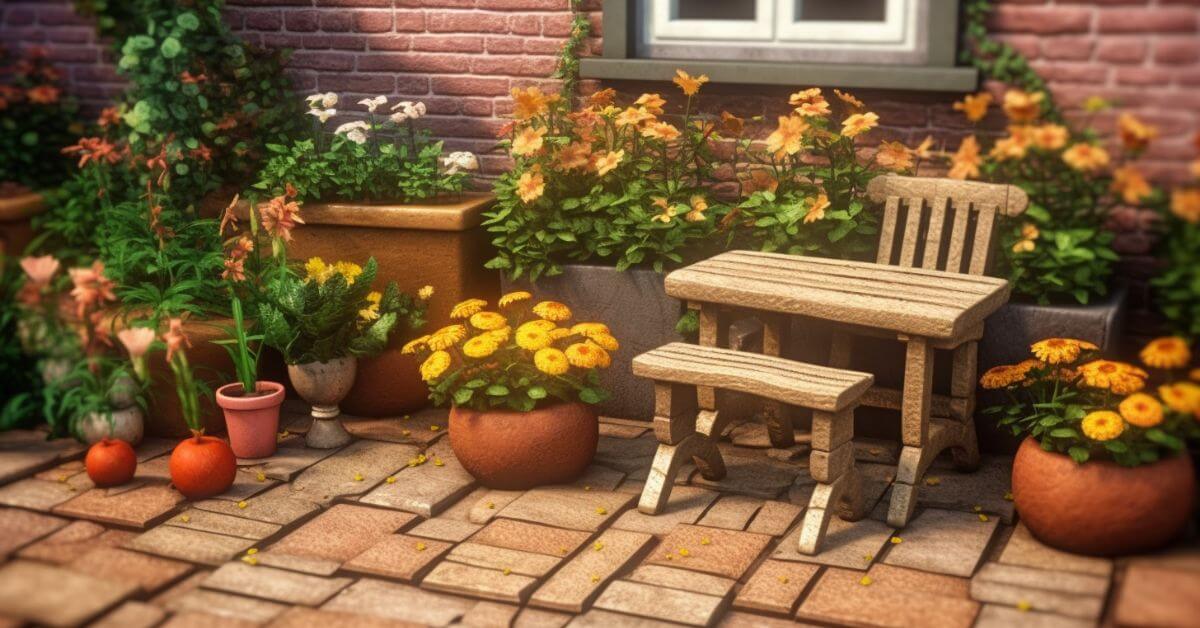
For example, planting marigolds alongside your vegetables can help to repel aphids, nematodes, and other pests. Similarly, planting herbs like basil, mint, and rosemary can repel mosquitoes and other flying insects.
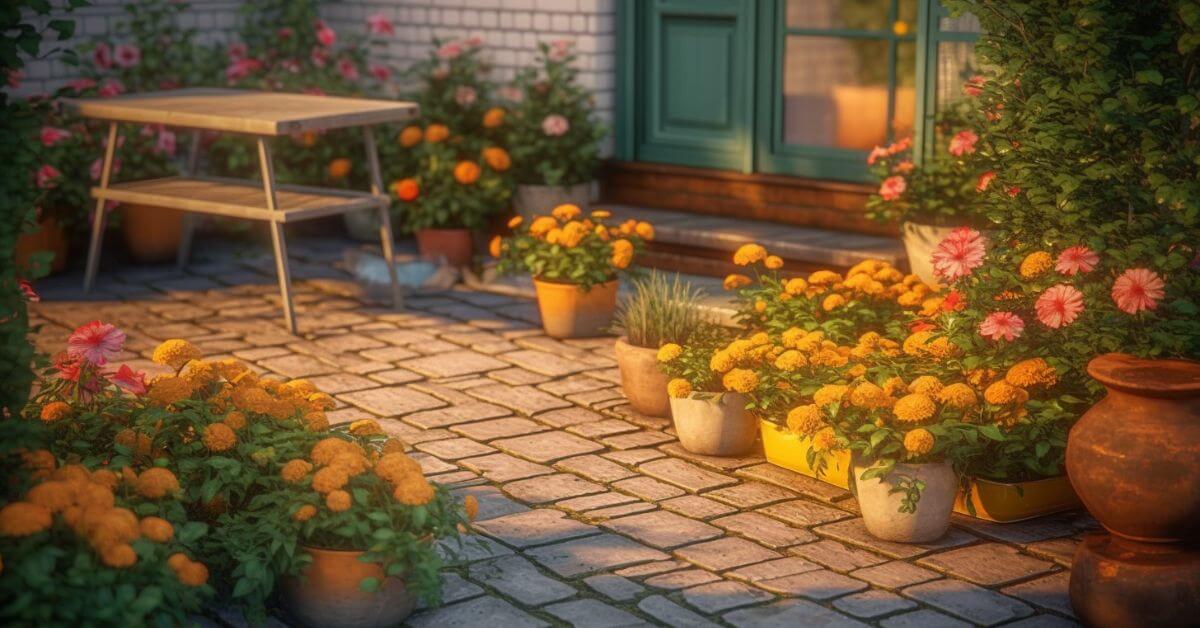
Some of the best plants to add to your patio garden to repel pests include lavender, thyme, parsley, dill, garlic, basil, fennel, Venus fly traps, lemongrass, mint, marigold, chrysanthemum, allium, and petunia.
Tip #2: Your Flying Army
Another natural way to control pests in your patio garden is to introduce beneficial insects. These insects can help to keep pest populations in check by eating them or laying their eggs on them.
For example, ladybugs are great for controlling aphids, while praying mantises can help to control a variety of pests, including moths, beetles, and grasshoppers.
Some of the plants that attract ladybugs include dill, marigold, parsley, and fennel.
Tip #3: Water to Your Rescue
Water can be a powerful weapon against pests. You can use a garden hose to blast bugs off your plants but be careful not to damage your plants in the process.
If your plants are too fragile for a garden hose, you can use a milder water solution. Try spraying your plants with a mist of water to knock off any unwanted bugs.
Tip #4: Make Your Own Insecticidal Soap
Insecticidal soap is a natural and effective way to get rid of pests without harming your plants or the environment. To make your own insecticidal soap, mix 1 teaspoon of mild liquid soap with 1 liter / 34 ounces of water and add a few drops of vegetable oil to make the mixture stick to the plants.
Pour the solution into a spray bottle and spray your plants. You can find plastic spray bottles at plant nurseries or online retailers like Amazon.
If you prefer not to use soap, you can make a garlic puree instead. Crush several cloves of garlic and mix them with water. For 4 ½ liters / 1 gallon of water, you’ll need ½ cup of garlic puree.
Add the mixture to your spray bottle and spray your plants thoroughly. Garlic has natural insect repellent properties and is effective against a wide range of pests, including aphids, caterpillars, and spider mites.
When using soap or garlic spray, it’s important to apply the solution in the early morning or late evening when the sun is not too hot. This helps to prevent the leaves from burning and also ensures that the solution has time to dry before the sun comes up.
Be sure to also test the solution on a small section of your plants before spraying the entire garden, as some plants may be more sensitive to the solution than others.
Overall, using soap or garlic spray is a safe and effective way to control pests in your patio garden. It’s also a more environmentally friendly alternative to chemical pesticides, which can be harmful to both your plants and the wider ecosystem.
Tip #5: Use Traps
Traps are a simple and effective way to control pests in your patio garden. They work by either attracting pests to a bait or catching them in a physical trap.
One of the benefits of using traps is that they are safe and natural, without the need for harmful chemicals or pesticides.
There are a variety of traps available for different types of pests, and you can even make your own DIY traps using materials you may already have at home.
One common type of trap is the sticky trap, which is effective for catching flying insects like fruit flies, whiteflies, and gnats. Sticky traps are simple to use.
You just hang them near your plants and the bright color and sticky surface will attract and trap the insects. You can make your own sticky traps using materials like index cards or cardboard coated in petroleum jelly or honey.
Another type of trap is the bait trap, which uses a lure to attract pests to a trap. Beer traps are an example of a bait trap that works well for slugs and snails.
Simply fill a shallow container with beer and place it near your plants. The yeast in the beer will attract the pests, causing them to fall in and drown.
There are also pheromone traps available for specific pests like moths and beetles. These traps use synthetic pheromones to attract male pests, preventing them from mating and reproducing. This is an effective and eco-friendly way to control pests without harming beneficial insects or the environment.
Overall, using traps is an excellent way to control pests in your patio garden without the use of harmful chemicals. By choosing the right type of trap for the pests you’re dealing with, you can easily and naturally keep your plants healthy and pest-free.
Check your traps regularly and dispose of any pests you find. Whether you purchase traps or make your own, it’s important to check them at least once a day. This will prevent any trapped pests from dying of starvation or dehydration, which can lead to unpleasant odors and unsightly messes.
Additionally, removing trapped pests promptly can prevent other pests from being attracted to the area. When you dispose of pests, be sure to do so in a way that won’t attract other pests, such as sealing them in a plastic bag before putting them in the garbage.
FAQs
Q: What are some other plants I can use for companion planting?
A: Some other plants that can be used for companion planting include garlic (repels aphids), chives (repels Japanese beetles), and nasturtiums (repels whiteflies).
Q: How do I attract beneficial insects to my patio garden?
A: Planting certain plants, like dill, marigold, and parsley, can attract beneficial insects like ladybugs, which prey on harmful pests. Providing a source of water, like a small pit or bowl, can also help attract beneficial insects.
Q: Can I use insecticidal soap on all types of plants?
A: Insecticidal soap is safe to use on most plants, but it’s always a good idea to test a small area first to make sure there are no adverse effects.
Q: Are traps safe for pets and wildlife?
A: Traps can be safe for pets and wildlife if they are used properly and placed in areas where they won’t be disturbed.
Q: Can I use chemical pesticides in my patio garden?
A: While chemical pesticides can be effective, they are also toxic and can harm beneficial insects, as well as pets and humans. It’s best to try natural pest control methods first and reserve chemical pesticides as a last resort.
Q: How do I prevent pests from invading my patio garden?
A: Planting companion plants that repel pests, like lavender, thyme, and garlic, can help prevent pests from invading your patio garden. Keeping your plants healthy and well-watered can also make them less attractive to pests.

Conclusion
Keeping your patio garden pest-free can be a challenge, but with these natural techniques, you can keep your plants healthy and thriving without resorting to harsh chemicals. By using companion planting, introducing beneficial insects, making your own insecticidal soap, and using traps, you can keep pests at bay and enjoy a beautiful and bountiful patio garden. So, roll up your sleeves and get to work on your patio garden pest control!