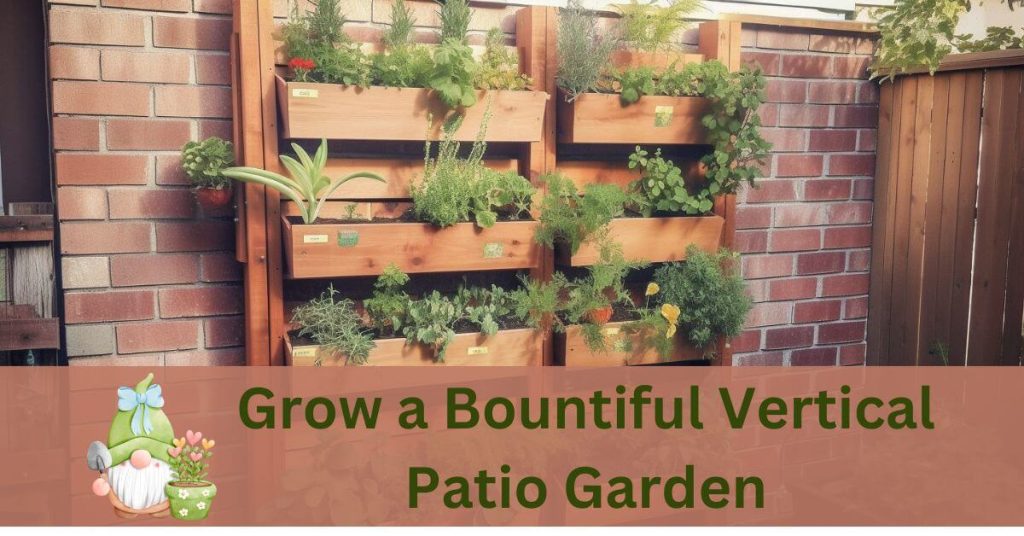
Looking to make the most of your patio space? Vertical patio gardening is the answer! With this innovative approach, you can transform your small outdoor area into a lush and thriving garden. By utilizing vertical space, you’ll not only maximize the number of plants you can grow but also create a visually stunning display.
Say goodbye to limited land and hello to bountiful greenery right outside your door. In this article, we’ll explore the benefits of Vertical Patio Gardening and offer some helpful tips to get you started. Get ready to take your gardening to new heights!
Benefits of Vertical Patio Gardening
Utilizing vertical space
When it comes to having a patio garden, space is often a limiting factor. However, with vertical patio gardening, you can utilize every inch of available space.
By growing your plants vertically, such as on trellises or walls, you can maximize the vertical space in your patio garden. This allows you to grow more plants and make the most of your limited space.
Increasing plant yield
Vertical patio gardening is not only beneficial for utilizing space but also for increasing your plant yield. By growing your plants in a vertical manner, you can optimize their exposure to sunlight and airflow, which are both crucial for healthy plant growth.
This means that your plants will receive more light and air, leading to higher yields of fruits, vegetables, and herbs.
Creating a visually appealing garden
Vertical patio gardening offers a unique aesthetic appeal to your outdoor space. By incorporating vertical structures, such as trellises, vertical planters, or wall-mounted gardening systems, you can create a beautiful and visually interesting garden.
The various layers and heights of the plants add depth and dimension to your patio, transforming it into a lush and vibrant oasis.
Choosing the Right Plants
Consider plant varieties
When selecting plants for your vertical patio garden, it is important to consider the varieties that are suitable for vertical growth. Some plants are naturally inclined to grow vertically, while others may require additional support or pruning.
Choose plants that have a natural tendency to climb or trail, such as tomatoes, cucumbers, or vine plants.
Evaluate sunlight requirements
Different plants have varying sunlight requirements. Before choosing which plants to grow in your vertical patio garden, evaluate the amount of sunlight your patio receives throughout the day.
Some plants thrive in full sun, while others prefer partial shade. By selecting plants that align with your patio’s sunlight conditions, you can ensure their healthy growth and productivity.

Determine plant sizes
Another factor to consider when choosing plants for your vertical patio garden is their mature size. Take into account the available space and the weight limitations of your vertical structures.
Opt for compact or dwarf varieties of plants if your patio has limited space. Additionally, ensure that the selected plants won’t exceed the weight capacity of the structures used to support them.
Planning Your Vertical Patio Garden
Assessing available space
Before starting your vertical patio garden, take a good look at the available space on your patio. Identify areas where you can install vertical structures or utilize walls for gardening.
Consider the dimensions and layout of your patio to determine the best spots for your plants. Keep in mind the pathways and seating areas, ensuring that your garden won’t obstruct the functionality of the space.
Determining the best orientation
The orientation of your vertical patio garden is crucial for its success. Observe the direction of sunlight and wind on your patio to determine the best orientation for your plants.
Most plants prefer receiving adequate sunlight, so positioning your vertical structures to maximize sun exposure is key. Additionally, consider wind patterns and provide wind barriers if needed to protect your plants from strong gusts.
Taking into account weight limitations
Vertical structures used for gardening, such as trellises or wall-mounted systems, have weight limitations. Ensure that the materials and structures you choose can support the weight of your chosen plants when fully grown.
Consider the weight of the soil, containers, and water when calculating the total load. Reinforce your structures if necessary to prevent any accidents or damage.
Constructing Vertical Structures
Building a trellis
Trellises are one of the most common and versatile structures used in vertical patio gardening. They provide support for climbing or trailing plants and add vertical interest to your garden.
To build a trellis, start by selecting a sturdy material such as wood or metal that can withstand the weight of your plants. Install the trellis securely in the ground or attach it to a wall. Ensure that it is tall enough to accommodate the height of your plants as they grow.

Setting up a vertical planter
Vertical planters are an excellent choice for those with limited space. These structures allow you to grow plants vertically in individual pots or pockets.
To set up a vertical planter, choose a suitable frame or panel made of durable material. Attach containers to the structure, ensuring they have adequate drainage holes.
Fill the containers with nutrient-rich soil and plant your desired plants. Make sure to secure the planter to the wall or provide proper support to avoid any instability.
Installing a wall-mounted gardening system
If you have a blank wall on your patio, a wall-mounted gardening system can be a fantastic way to transform it into a beautiful green oasis. These systems typically consist of modular panels or pockets that can be affixed to the wall.
Install the system securely, ensuring proper weight distribution and stability. Fill the pockets with soil and plant your desired flowers, herbs, or vegetables. Regularly maintain the system by watering, fertilizing, and trimming as needed.
Preparing the Soil and Containers
Selecting the right soil mix
The soil you choose for your vertical patio garden plays a critical role in the success of your plants. Opt for a high-quality potting mix that is lightweight, well-draining, and nutrient-rich. Avoid using garden soil, as it can be too heavy and may not provide adequate drainage. Consider adding organic matter or compost to improve the soil’s fertility and water-holding capacity.
Choosing suitable containers
Selecting the right containers is essential for vertical patio gardening. Choose containers that are appropriately sized for the plants you intend to grow and fit well within your vertical structures. Consider the material of the containers, such as plastic, ceramic, or fabric, based on your aesthetic preferences and the durability required for your particular climate. Ensure that the containers have sufficient drainage holes to prevent waterlogging.

Adding drainage holes and appropriate drainage materials
Proper drainage is crucial for the health of your plants. If your chosen containers do not already have drainage holes, make sure to add them. This will prevent water from accumulating at the bottom of the containers, which can lead to root rot. Additionally, place a layer of gravel, pebbles, or broken pottery at the bottom of each container to aid in drainage and prevent soil from clogging the drainage holes.
Watering and Irrigation Techniques
Drip irrigation system
A drip irrigation system is a practical and efficient way to ensure your vertical patio garden receives the right amount of water. This system delivers water directly to the plant’s root zone, minimizing water waste and reducing the risk of fungal diseases.
Install a drip irrigation system along your vertical structures, connecting it to a timer or controller for automated watering. Adjust the flow rate and frequency according to the water requirements of your plants.
Self-watering containers
For those who prefer a low-maintenance watering option, self-watering containers are an excellent choice. These containers have a reservoir at the bottom that holds water, allowing the plants to draw moisture as needed.
This system reduces the risk of overwatering and ensures a consistent water supply for your plants. Fill the reservoir regularly, and it will gradually release water to keep the soil moist without causing waterlogging.

Optimizing watering frequency
The frequency of watering your patio garden will vary depending on various factors, such as the types of plants, weather conditions, and soil moisture levels. Monitor your plants regularly and adjust the watering frequency accordingly.
Stick your finger into the soil to test its moisture level. Water when the top inch of soil feels dry, but avoid overwatering, as it can lead to root rot and other plant health issues.
Maintaining Your Vertical Patio Garden
Regular pruning and trimming
To keep your vertical patio garden looking neat and tidy, regular pruning and trimming are necessary. Trim any overgrown or dead foliage to promote healthy growth and maintain the desired shape of your plants.
Train vining or trailing plants along trellises or structures to prevent them from becoming tangled or visually overwhelming. Pruning also helps improve airflow, reducing the risk of diseases.
Monitoring for pests and diseases
Just like any other garden, vertical patio gardens are susceptible to pests and diseases. Regularly inspect your plants for any signs of pests, such as aphids, mealybugs, or mites.
If detected, treat the affected plants immediately with appropriate organic or chemical pest control methods. Additionally, keep an eye out for any signs of diseases, such as leaf spots or wilting, and take necessary action to prevent their spread.
Fertilizing the plants
Proper fertilization is essential to ensure the optimal growth and productivity of your plants. Choose a balanced slow-release fertilizer or organic compost to provide your plants with essential nutrients.
Follow the instructions on the fertilizer packaging and apply it at the recommended intervals. Be cautious not to over-fertilize, as it can lead to nutrient burn and harm your plants. Regularly monitor your plants’ health and adjust the fertilizer application if needed.
Creative Design Ideas
Vertical herb garden
A vertical herb garden is a fantastic way to have fresh herbs readily available right outside your kitchen. Create a vertical structure, such as a wall-mounted system or a series of hanging pots, to grow different herbs vertically.
Place the herb garden near your cooking area for easy access. Choose a variety of herbs, such as basil, rosemary, thyme, and mint, to add flavor and freshness to your culinary creations.
Flower wall
Transform a plain wall on your patio into a stunning flower wall. Install a grid or trellis with ample space between the bars to allow your flowering plants to grow through.
Choose vibrant and colorful flower varieties that complement the overall aesthetic of your patio. As the flowers bloom, they will create a breathtaking visual display, adding beauty and charm to your outdoor space.

Living wall art
Create a living masterpiece by designing a living wall art installation on your patio. This can be achieved by using modular panels designed specifically for vertical gardening.
Select a combination of plants with different textures, colors, and foliage shapes to create an eye-catching design. Consider incorporating succulents, ferns, or trailing plants to add depth and dimension. This living wall art will not only be visually captivating but also enhance the air quality and ambiance of your patio.
Harvesting and Using Your Vertical Patio Garden
Harvesting fruits, vegetables, and herbs
One of the most rewarding aspects of vertical patio gardening is being able to harvest your own fresh fruits, vegetables, and herbs. Regularly monitor the maturity of your plants and harvest them as they reach their peak ripeness.
This ensures that you enjoy the best flavors and nutritional benefits. Use sharp gardening shears or scissors to harvest your crops, and handle them gently to prevent any damage.
Using fresh produce in recipes
The joy of vertical patio gardening extends beyond the act of growing your own produce. Incorporate the fruits, vegetables, and herbs you harvest into your recipes to enhance their flavors and bring a little bit of your garden into your culinary creations.
Use fresh herbs to season your dishes, vegetables for stir-fries or salads, and fruits for desserts or refreshing beverages. There is something incredibly satisfying about enjoying food that you have grown with your own hands.
Preserving excess harvest
In the event that your vertical patio garden produces an abundance of crops, you may find yourself with more than you can consume immediately. Take advantage of the excess harvest by preserving it for later use.
Options for preserving include canning, freezing, drying, or making homemade preserves. This ensures that you can enjoy the flavors of your garden throughout the year and reduce any waste.
Common Challenges and Solutions
Limited sunlight
If your patio receives limited sunlight, the growth and productivity of your plants may be affected. To overcome this challenge, carefully select plants that tolerate lower light conditions, such as leafy greens, herbs like mint or parsley, or shade-loving flowers like impatiens or begonias.
Position your vertical structures in areas with the most available sunlight and consider utilizing reflective surfaces to increase light intensity.
Wind exposure
Strong winds can pose a challenge to vertical patio gardens, particularly if you live in an area prone to gusts. To protect your plants, choose wind-resistant varieties or provide wind barriers, such as trellis screens or woven netting.
These barriers help to break up the wind, reducing its force on your plants. Additionally, ensure that your vertical structures are securely anchored to prevent them from toppling over due to strong winds.

Managing water runoff
Vertical patio gardening can sometimes result in excess water runoff, particularly if your structures are attached to walls or stairs. To manage water runoff effectively, ensure that your containers and vertical structures have proper drainage systems in place.
Use saucers or trays beneath your containers to collect excess water and prevent it from flowing onto your patio. Regularly inspect and clear any debris or blockages to maintain the efficiency of the drainage system.
FAQs – Vertical Patio Gardening
1. What is Vertical Patio Gardening?
Vertical Patio Gardening is a gardening technique that maximizes the use of vertical space to create a thriving garden on a small patio or outdoor area. It involves growing plants vertically on structures like trellises, walls, or vertical planters, allowing you to make the most of limited space.
2. What are the benefits of Vertical Patio Gardening?
Vertical Patio Gardening offers several benefits, including:
- Utilizing vertical space: It helps you optimize every inch of your patio for gardening.
- Increasing plant yield: Plants receive more sunlight and airflow, resulting in higher yields.
- Creating a visually appealing garden: Vertical structures add depth and dimension to your patio, making it visually stunning.
3. How do I choose the right plants for Vertical Patio Gardening?
When selecting plants, consider their natural tendency to climb or trail and their sunlight requirements. Choose varieties that suit your patio’s conditions, space limitations, and the weight capacity of your vertical structures.
4. What should I consider when planning my Vertical Patio Garden?
Before starting, assess available space, orientation for sunlight exposure, and weight limitations of your vertical structures. Ensure that your garden doesn’t obstruct the functionality of your patio and that it’s positioned to receive adequate sunlight.
5. How do I construct vertical structures for my garden?
You can build trellises using sturdy materials, set up vertical planters, or install wall-mounted gardening systems. Make sure the structures can support the weight of your chosen plants as they grow.
6. What soil and containers should I use for Vertical Patio Gardening?
Select lightweight, well-draining, and nutrient-rich potting mix. Choose appropriately sized containers with good drainage, and add drainage holes if necessary. Place a layer of drainage material at the container’s bottom to prevent waterlogging.
7. What are the best watering and irrigation techniques for Vertical Patio Gardening?
Consider using a drip irrigation system for efficient watering or self-watering containers for low maintenance. Monitor soil moisture levels and adjust watering frequency based on your plants’ needs.
8. How do I maintain my Vertical Patio Garden?
Regular pruning and trimming are essential to keep your garden neat. Inspect plants for pests and diseases, treating them promptly. Proper fertilization is crucial for plant health, but avoid over-fertilizing. Adjust your fertilization routine as needed.
9. What creative design ideas can I implement for my Vertical Patio Garden?
Explore options like a vertical herb garden near your kitchen, a stunning flower wall, or a living wall art installation. Mix plants with different textures and colors for unique designs.
10. How can I make the most of my harvest from a Vertical Patio Garden?
Enjoy the fruits, vegetables, and herbs you grow in your recipes to enhance flavors. If you have excess produce, preserve it through canning, freezing, drying, or making homemade preserves to reduce waste.
11. How do I overcome common challenges like limited sunlight or wind exposure?
For limited sunlight, choose plants that tolerate lower light conditions and position your vertical structures strategically. Protect your plants from wind exposure by selecting wind-resistant varieties and using wind barriers like trellis screens.
12. How do I manage water runoff in a Vertical Patio Garden?
Ensure your containers and vertical structures have proper drainage systems. Use saucers or trays to collect excess water, preventing it from flowing onto your patio. Regularly maintain your drainage system to keep it efficient.
Summary
Vertical patio gardening opens up a world of possibilities for those with limited outdoor space. By utilizing vertical space, carefully selecting plants, planning strategically, constructing suitable structures, and maintaining your garden, you can create a green oasis right on your patio. Enjoy the benefits of increased plant yield, visual appeal, and the joy of harvesting your own fresh produce. Get creative with design ideas and overcome common challenges to make your vertical patio garden thrive.