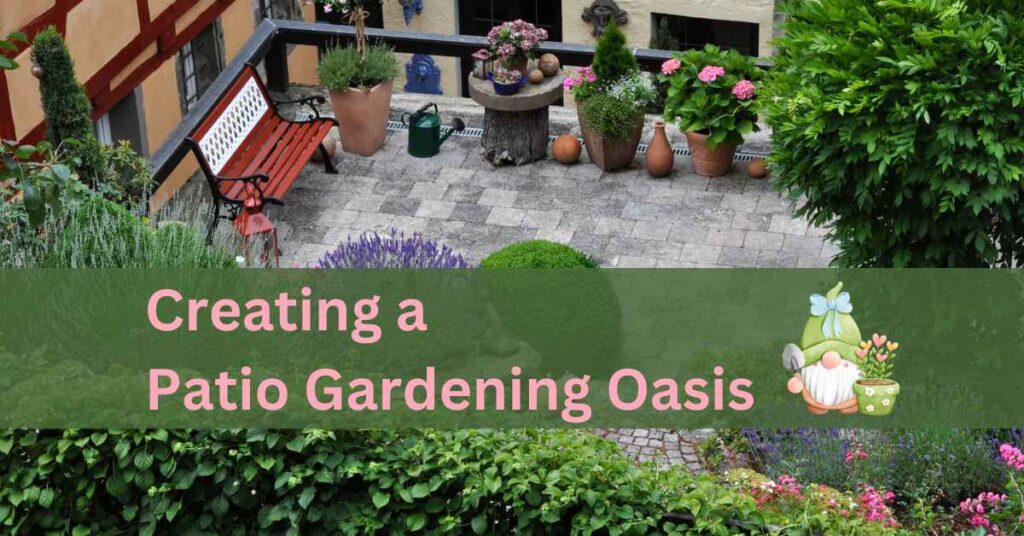
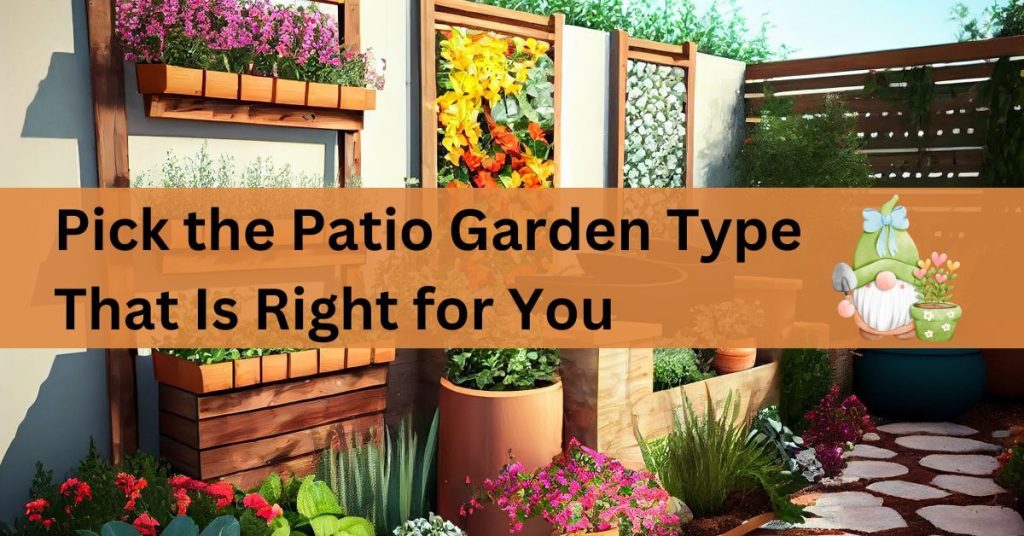
Are you ready to embark on a green adventure right outside your back door? Look no further! Presenting “Patio Gardening for Beginners” – your ultimate guide to transforming your humble patio into a thriving oasis of plants and flowers. This comprehensive article will equip you with all the knowledge and tips you need to unleash your inner gardener, even if you’ve never dabbled in gardening before.
In this article, we’ll explore the exciting world of patio gardening from start to finish. From selecting the perfect plants for your patio’s conditions to nurturing them through their growth stages, we’ve got you covered.
Discover the secrets of choosing the right containers, understanding soil requirements, and maximizing limited space to create a breathtaking display of nature’s beauty just outside your window. So roll up your sleeves, grab your gardening gloves, and get ready to unlock the joys of patio gardening in no time!
With “Patio Gardening for Beginners,” you’ll be amazed at how easy and rewarding growing your own garden on your patio can be. Whether you have limited outdoor space or simply want to add a touch of nature to your urban dwelling, this article will guide you every step of the way.
So get ready to transform your patio into a vibrant oasis and experience the satisfaction of nurturing life from seed to bloom. Let’s dig in and unleash the gardener within you!

Choosing the Right Plants
Consider the sunlight levels
When choosing plants for your patio garden, it is crucial to consider the sunlight levels in the area. Take note of how much direct sunlight your patio receives throughout the day.
Some plants thrive in full sunlight, while others prefer partial or even full shade. Understanding the sunlight levels will help you select the right plants that will thrive in your patio garden.
Think about the space available
Another important factor to consider when choosing plants for your patio garden is the space available. Take into account the size of your patio and how much room you have for plant containers or beds.
Some plants require more space to grow and spread their roots, while others can thrive in smaller containers. By understanding the space limitations of your patio, you can choose plants that will not overcrowd the area and allow for healthy growth.
Evaluate the climate
The climate in which you live plays a significant role in determining the success of your patio garden. Different plants have different climate requirements, such as temperature and humidity levels.
Consider the average temperatures and weather patterns in your area, as well as any microclimates that may exist on your patio. This information will help you select plants that are well-suited for your specific climate and ensure their optimal growth and health.
Research plant requirements
Before finalizing your plant choices, it is essential to research the specific requirements of each plant. Some plants may need more water, while others may prefer drier conditions. Some plants may require specific soil pH levels or temperature ranges.
By understanding the unique needs of each plant, you can ensure that you can provide the necessary care and create a suitable environment for their growth. Take the time to research the plant’s watering needs, soil requirements, and any other specific care instructions before making your final decisions.
Container Selection
Consider the size and depth
When selecting containers for your patio garden, it is important to consider the size and depth of each container. Different plants have different root systems and space requirements.
Some plants, such as tomatoes or peppers, have deep root systems and require larger containers to allow for proper growth. On the other hand, smaller herbs or succulents may thrive in shallow containers.
By choosing containers that match the size and depth requirements of your plants, you can provide them with enough space to grow and thrive.
Choose the right material
Container materials can vary, including ceramic, plastic, or terracotta. Each material has its benefits and drawbacks.
Ceramic containers are aesthetically pleasing but can be heavy and prone to cracking. Plastic containers are lightweight and affordable but may not offer the same level of insulation as other materials. Terracotta containers are breathable and provide good drainage but can also be heavy and susceptible to cracking.
Consider the pros and cons of each material and choose the one that best suits your needs and preferences.

Ensure proper drainage
Proper drainage is crucial for the health and well-being of your plants. Without adequate drainage, excess water can accumulate in the containers, leading to root rot and other issues.
When selecting containers, ensure that they have drainage holes at the bottom to allow water to escape. Avoid using containers without proper drainage, or consider drilling additional holes if necessary.
Additionally, elevating your containers on pot feet or placing them on a layer of gravel can further improve drainage and prevent waterlogging.
Consider aesthetics
Your patio garden is not just about functionality; it is also an opportunity to create a beautiful and inviting space. Consider the aesthetics when selecting containers for your plants. Choose containers that complement your patio’s style and color scheme.
You can opt for a cohesive look by selecting containers in similar colors or materials, or mix and match for a more eclectic feel. Don’t be afraid to get creative and experiment with different container styles and arrangements to add visual interest and make your patio garden a delightful space to enjoy.
Soil Preparation
Start with a good potting mix
When it comes to soil preparation for your patio garden, using a good-quality potting mix is essential. Potting mixes are specifically formulated to provide the necessary nutrients, moisture retention, and drainage for container gardening.
Avoid using regular garden soil, as it may become compacted and hinder proper root growth in containers. Look for potting mixes that are lightweight, well-draining, and enriched with organic matter for optimal plant health.
Add organic matter for nutrients
To further enhance the quality of your soil, consider adding organic matter, such as compost or well-rotted manure. Organic matter helps improve soil structure, increases water retention, and provides essential nutrients for plant growth.
Mix in a generous amount of organic matter into your potting mix before planting your plants. This will create a fertile environment for your plants’ roots and promote healthy growth throughout the growing season.
Test the soil pH if necessary
Different plants thrive in different soil pH levels. Some prefer acidic soil, while others prefer alkaline or neutral soil. Before planting, it may be helpful to test the pH level of your potting mix. Soil testing kits are readily available at garden centers or can be done by sending a soil sample to a lab.
Based on the results, you can adjust the pH level of your potting mix by adding substances like sulfur to lower the pH or lime to raise it. By ensuring the optimal pH level for your plants, you can further support their growth and overall health.
Consider soil amendments
In addition to organic matter, you may also consider adding soil amendments to optimize the nutrient content of your soil. Soil amendments, like bone meal or fish meal, are rich in essential nutrients that can benefit your plants.
Research the nutrient requirements of your specific plants and choose amendments that provide the necessary elements. Remember to follow the recommended dosages and incorporate them into your potting mix or apply them as a top dressing throughout the growing season.
Watering and Drainage
Water plants consistently
Consistent watering is vital for the success of your patio garden. Plants in containers may require more frequent watering compared to those in the ground, as they can dry out more quickly. Develop a watering schedule that works for your specific plants and climate.
Aim to keep the soil evenly moist, but not waterlogged or bone dry. Avoid allowing the soil to completely dry out between waterings, as this can stress the plants and lead to stunted growth or wilting.
Avoid overwatering
While it’s important to keep your plants well-watered, overwatering can be harmful. Excessive moisture can lead to root rot and other fungal diseases.
To prevent overwatering, ensure that your containers have proper drainage, allowing excess water to escape. Before watering, check the moisture level of the soil by inserting your finger about an inch deep. If it feels moist, hold off on watering for a little longer.
Adjust your watering frequency based on the specific needs of your plants, rather than adhering to a rigid schedule.
Ensure proper drainage
As mentioned earlier, proper drainage is crucial for the health of your plants. Ensure that your containers have drainage holes at the bottom to allow excess water to flow out. Use potting mixes that are well-draining and allow water to move freely through the soil.
Additionally, if you live in an area with heavy rainfall, consider elevating your containers on pot feet or placing them on a layer of gravel to prevent waterlogging. Proper drainage will prevent water from collecting in the containers and provide a suitable environment for your plants to thrive.
Consider using saucers or trays
If you’re concerned about excess water runoff causing a mess on your patio, consider using saucers or trays underneath your containers. These catch the water that drains out and prevent it from staining or damaging your patio surface.
However, it’s important to ensure that the water does not accumulate in the saucers for an extended period, as this can lead to root rot. Empty the saucers or trays regularly and avoid letting your containers sit in standing water.

Providing Adequate Sunlight
Place plants in the right location
Proper placement of your plants is essential to ensure they receive adequate sunlight. Observe your patio throughout the day and take note of the areas that receive direct sunlight, partial shade, or full shade.
Most edible plants, such as tomatoes or peppers, require at least six to eight hours of direct sunlight per day to produce bountiful harvests.
Place sun-loving plants in the sunny spots of your patio and shade-loving plants in the shadier areas. By providing the right amount of sunlight, you’ll encourage healthy growth and maximize the productivity of your plants.
Consider using artificial lighting
If your patio receives limited direct sunlight or if you want to extend your growing season, consider using artificial lighting. Grow lights can provide the necessary light spectrum and intensity for your plants’ needs.
LED grow lights are energy-efficient and can be adjusted to emit specific wavelengths suitable for different stages of plant growth. Position the grow lights at the appropriate distance from your plants, following the manufacturer’s guidelines.
Artificial lighting can be especially beneficial during the winter months when natural sunlight may be scarce.
Rotate plants for even exposure
To ensure that all your plants receive even exposure to sunlight, consider rotating their positions periodically. By rotating your plants, you prevent any one side from becoming significantly overshadowed or deprived of sunlight over time.
This encourages balanced growth and helps prevent lopsided or straggly plants. Keep track of the sun’s movement throughout the day and rotate your containers accordingly, so each plant gets its fair share of sunlight.
Protect plants from intense sunlight
While most plants require a healthy dose of sunlight, some may be susceptible to damage from intense sunlight, especially during the peak summer months. Consider using shade cloths or umbrellas to provide partial shade for delicate plants during the hottest part of the day. This can help prevent sunburn, wilting, or drying out.
Be mindful of the specific requirements of your plants and take steps to protect them from excessive heat and direct sunlight when necessary.

Fertilizing and Nutrients
Understand the plant’s nutrient requirements
Plants require proper nutrients to grow and flourish. Different plants have different nutrient requirements, and it is crucial to understand these needs to provide adequate fertility for your patio garden.
Research the specific nutrient requirements of each plant and determine which essential elements they need to thrive. Nitrogen, phosphorus, and potassium are the primary macronutrients that plants require in varying proportions.
Additionally, micronutrients like iron or zinc are necessary for healthy growth in smaller quantities. By understanding the nutrient needs of your plants, you can choose the appropriate fertilizers and provide the necessary supplementation.
Choose organic or synthetic fertilizers
When it comes to fertilizers, you have the option of using organic or synthetic varieties.
Organic fertilizers are derived from natural sources, such as compost or fish emulsion, and release nutrients slowly over time. They enrich the soil with organic matter and improve its structure.
Synthetic fertilizers, on the other hand, are chemically formulated nutrients that provide an immediate boost to plant growth. They can be more convenient but may impact soil health if used excessively.
Consider your preferences, gardening philosophy, and the specific needs of your plants when choosing between organic or synthetic fertilizers.
Follow the recommended dosages
Too much or too little fertilizer can be detrimental to your plants’ health. Always follow the recommended dosages listed on the fertilizer packaging.
Overfertilization can burn the roots and cause nutrient imbalances, leading to stunted growth or nutrient deficiencies.
Underfertilization, on the other hand, can result in weak plants that are more susceptible to pests and diseases.
Read the instructions carefully, and measure the fertilizer accurately to ensure that your plants receive the appropriate amount of nutrients for optimal growth and vitality.
Consider using slow-release fertilizers
For patio gardeners looking to simplify their fertilizing routine, slow-release fertilizers can be a convenient option. These fertilizers release nutrients gradually over an extended period, eliminating the need for frequent applications.
Slow-release fertilizers come in various formulations, such as pellets or coated granules. When applied, the nutrients are released slowly, providing a steady supply to your plants.
This method ensures a more consistent nutrient availability, reducing the risk of nutrient imbalances or leaching. Consider using slow-release fertilizers to simplify your fertilizing routine while providing a consistent and balanced nutrient supply to your plants.

Pest Control
Identify common pests in patio gardens
Pests can pose a significant challenge to the health and productivity of your patio garden. Common pests in patio gardens include aphids, caterpillars, snails, and slugs, among others. Learn to identify the different pests that commonly affect your plants.
Look out for signs of pest damage, such as chewed leaves, sticky residue, or stunted growth. By identifying the pests accurately, you can take appropriate measures to prevent and control their infestation effectively.
Implement preventive measures
Preventing pest infestations is often easier than trying to eliminate them once they take hold. Implement preventive measures to minimize the risk of pest damage in your patio garden.
Keep your patio clean and free of debris that can attract pests. Regularly inspect your plants for early signs of pest activity and promptly remove any affected leaves or plants.
Consider incorporating companion planting techniques, where certain plants can naturally repel pests or attract beneficial insects that prey on pests.
By creating a healthy and diverse ecosystem in your patio garden, you can discourage pests and promote a more balanced environment.
Use organic pest control methods
Organic pest control methods are safe, environmentally friendly alternatives to chemical pesticides. There are several effective organic pest control options available for patio gardeners.
Neem oil, for example, is a natural pesticide derived from neem tree seeds that can deter a wide range of pests. Other organic pest control options include insecticidal soaps, garlic spray, or using beneficial insects like ladybugs or praying mantises to prey on pests.
Research the specific pests affecting your plants and explore organic options to address the issue effectively while minimizing harm to beneficial insects and the environment.
Monitor plants regularly
Regular monitoring is key to maintaining a healthy and pest-free patio garden. Take the time to inspect your plants regularly for any signs of pest activity or disease. Look for chewed leaves, discolored spots, or wilting foliage.
Detecting and addressing pest problems early on can prevent them from spreading and causing significant damage. By staying vigilant and addressing issues promptly, you can maintain the overall health and vitality of your patio garden.
Pruning and Maintenance
Regularly trim and prune plants
Regular pruning is essential for maintaining the shape and size of your plants, as well as promoting healthy growth. Trim back overgrown branches or stems to encourage bushier growth.
Remove any dead, damaged, or diseased foliage to prevent the spread of diseases. Prune away any overcrowded branches to improve air circulation and reduce the risk of fungal infections.
Use clean, sharp pruning tools to make precise cuts and minimize damage to the plants. Regular pruning will keep your plants in good shape and ensure their long-term health and productivity.
Remove dead or damaged foliage
Dead or damaged foliage can detract from the overall appearance of your patio garden and may indicate underlying problems. Regularly remove any dead or damaged leaves or stems to maintain a neat and healthy garden.
Dead foliage can provide a breeding ground for pests or diseases, so prompt removal is essential. Clearing away dead foliage also allows more space and resources for new growth.
Take a few minutes each week to inspect your plants and remove any deceased or damaged parts for a tidy and thriving patio garden.
Support tall plants with stakes
Tall, top-heavy plants, such as tomatoes or peppers, often require support to prevent them from toppling over. Use stakes or trellises to provide structural support for these plants.
Position the stakes or trellises in the soil near the base of the plant and gently tie the stems to the support structure with soft plant ties or string. This will prevent the plants from bending or breaking under their own weight, ensuring proper growth and reducing the risk of stem damage.
Regularly check the plants and adjust the ties as necessary to accommodate their growth.
Clean and maintain the patio area
Along with nurturing your plants, it is essential to clean and maintain the patio area itself. Sweeping away fallen leaves, debris, or weeds regularly will help maintain a tidy and appealing space.
If pests or diseases are a recurring issue, consider cleaning and disinfecting your patio surfaces to prevent their spread. Regularly inspect pots and containers for signs of wear or damage, replacing them if necessary.
By keeping your patio clean and well-maintained, you create a pleasant environment for both you and your plants to enjoy.
Harvesting and Enjoying Your Produce
Learn when and how to harvest
One of the most rewarding aspects of patio gardening is the ability to harvest fresh produce right from your own patio. Learning when to harvest your crops is crucial to ensure optimal taste and quality.
Each plant has its indicators for maturity, such as color changes, firmness, or size. Research the specific harvesting guidelines for your plants and harvest them at the appropriate stage of ripeness.
Use sharp, clean tools to make clean cuts when harvesting fruits or vegetables to prevent damage to the plant. Harvesting at the right time will allow you to enjoy the best flavors and textures from your homegrown produce.
Store harvested produce properly
To extend the shelf life of your harvested produce, proper storage is essential. Some crops, such as tomatoes or peppers, are best enjoyed fresh and should not be refrigerated.
Others, like herbs or leafy greens, benefit from refrigeration to maintain their freshness. Properly clean and dry your harvested produce before storing it in a cool, dry, and well-ventilated area.
Use appropriate storage containers, such as airtight bags or containers, to prevent dehydration or spoilage. By storing your harvest properly, you can enjoy the fruits of your labor for an extended period.
Try new recipes with your homegrown ingredients
Having a patio garden opens up a world of culinary possibilities. With the fresh ingredients at your fingertips, it’s the perfect opportunity to try new recipes and experiment with flavors.
Incorporate your homegrown herbs into your cooking to add complexity and freshness to your dishes. Create vibrant salads using your freshly harvested greens. Make sauces or salsas with your homegrown tomatoes or peppers for a burst of flavor.
Explore different cuisines and let your creativity shine in the kitchen. Patio gardening allows you to savor the taste of freshly picked produce in a variety of mouth-watering recipes.
One of the joys of patio gardening is the ability to share the abundance of your harvest with others. As your plants thrive and produce more than you can consume, consider sharing the bounty with friends, family, neighbors, or local community organizations.
Giving away homegrown produce not only spreads the joy of fresh, healthy food but also strengthens social connections and fosters a sense of community. Share your garden stories and recipes with others, and inspire them to embark on their own gardening adventures.
Patio gardening can create a sense of togetherness and cultivate relationships through the shared love of gardening and homegrown produce.
Expand Your Patio Garden
Gradually add more plants
Once you have mastered the basics of patio gardening, consider expanding your garden by gradually adding more plants. Start by evaluating your patio’s space and sunlight levels to determine which additional plants would thrive in the existing conditions.
Experiment with different varieties of vegetables, herbs, or flowers to diversify your garden and explore new flavors or aesthetics.
Gradually introducing new plants allows you to manage the workload and learn about the specific needs of each plant. Embrace the joy of continuous learning and growth as you expand your patio garden.
Try different plant varieties
Gardening is an opportunity to explore an incredible variety of plant species and discover new favorites. Don’t be afraid to try different plant varieties in your patio garden.
Experiment with heirloom or exotic varieties that are not typically available in grocery stores. Grow unique colors or shapes of vegetables or herbs that add visual interest to your garden.
By diversifying the plant varieties in your patio garden, you’ll expand your gardening knowledge, palate, and appreciation for the natural world.

Experiment with vertical gardening
If space is limited on your patio, consider vertical gardening as a way to maximize your growing area. Vertical gardening involves growing plants vertically rather than horizontally, utilizing walls, trellises, or hanging structures.
This technique is especially suitable for vining or climbing plants like tomatoes, cucumbers, or beans.
Install trellises or plant vining varieties in hanging baskets to take advantage of vertical space. Vertical gardening not only allows you to grow more plants in a limited area but also creates a visually stunning focal point.
Explore companion planting
Companion planting involves pairing plants that benefit each other when grown in close proximity. Some plants have natural insect-repellent properties, while others attract beneficial insects that prey on pests.
By grouping compatible plants together, you can create a balanced and thriving garden ecosystem. For example, planting marigolds alongside tomatoes can help deter pests like aphids or nematodes.
Research different companion planting combinations and experiment with them in your patio garden. Companion planting adds an extra layer of complexity and ecological harmony to your garden space.
FAQs – Patio Gardening for Beginners
Q1: What is patio gardening? A1: Patio gardening involves growing plants, flowers, and vegetables in containers or small spaces, such as patios, balconies, or decks. It’s a way to create a lush and productive garden in limited outdoor areas.
Q2: How do I choose the right plants for my patio garden? A2: Consider factors like sunlight levels, available space, climate, and specific plant requirements. Some plants need full sun, while others thrive in shade. Research each plant’s needs before selecting them for your patio garden.
Q3: What containers are best for patio gardening? A3: Containers should match the size and depth requirements of your plants. Choose containers made of materials like ceramic, plastic, or terracotta. Ensure proper drainage by selecting containers with drainage holes.
Q4: How do I prepare the soil for my patio garden? A4: Use a good-quality potting mix that provides nutrients, moisture retention, and drainage. Consider adding organic matter like compost or well-rotted manure to enhance soil structure and fertility.
Q5: How much sunlight do my patio plants need? A5: Different plants have varying sunlight requirements. Observe your patio’s sunlight levels and position sun-loving plants in sunny spots and shade-loving plants in shadier areas.
Q6: How can I prevent and control pests in my patio garden? A6: Regularly inspect your plants for signs of pest activity. Implement preventive measures like companion planting and using organic pest control methods such as neem oil or insecticidal soaps.
Q7: When and how should I harvest my patio garden produce? A7: Harvest your crops at their optimal ripeness, which varies by plant. Use clean, sharp tools for harvesting and properly store your produce to extend its shelf life.
Q8: How can I expand my patio garden? A8: Gradually add more plants and experiment with different varieties. Consider vertical gardening to maximize space, and explore companion planting for a balanced garden ecosystem.
Q9: Is patio gardening suitable for beginners? A9: Yes, patio gardening is great for beginners. This guide provides step-by-step instructions on selecting plants, containers, soil preparation, sunlight, pest control, maintenance, and harvesting.
Q10: What are the benefits of patio gardening? A10: Patio gardening allows you to grow your own plants and produce even if you have limited outdoor space. It provides opportunities for relaxation, creativity, and enjoying fresh, homegrown produce.
Summary
As a beginner in patio gardening, you now have a comprehensive guide to help you get started and thrive. By following the tips and advice outlined in this article, you can choose the right plants, select suitable containers, prepare the soil, provide adequate sunlight and nutrients, manage pests, maintain your plants, and enjoy the bountiful harvests from your patio garden. Remember, gardening is a continuous learning process, and each season brings new opportunities for growth and exploration. Embrace the journey, and have fun creating your very own thriving patio garden oasis.