

Welcome! In this article, you will learn all about mastering container gardening, specifically for patio gardeners. Whether you’re a beginner or have some experience, I will provide you with useful tips and tricks to make your container garden thrive.
Firstly, selecting the right containers and soil is essential. Opt for well-draining containers with enough depth for the roots to grow. Be mindful of the material as well, as some containers can retain too much moisture.
Secondly, choose the appropriate soil mix based on the types of plants you want to grow. A blend of potting soil, compost, and perlite can provide a nutrient-rich environment for your plants.
Moreover, I will share practical advice on watering, fertilizing, and arranging your containers to create an aesthetically pleasing patio garden. So, let’s get started and unlock the secrets to successful container gardening!
Choosing the Right Containers
Container gardening is a convenient and enjoyable way to bring life and beauty to your patio or balcony. Whether you have limited outdoor space or simply want to add some greenery to your surroundings, container gardening allows you to create a vibrant garden in a small area.
However, to ensure the success of your container garden, it is crucial to choose the right containers. Here are some key factors to consider when selecting containers for your plants.
Consider the Materials
When it comes to choosing the material for your containers, there are several options available. The most common materials used for containers are plastic, clay, and wood. Each material has its advantages and disadvantages.
Plastic containers are lightweight, affordable, and come in various shapes and sizes. They are also durable and retain moisture well. However, they may not provide adequate insulation for plants during extreme temperatures.
Clay containers, on the other hand, are breathable and allow for better air circulation. They are also heavy and can withstand harsh weather conditions. However, clay containers can dry out quickly and may need frequent watering.
Wood containers are another popular choice, as they provide excellent insulation for plant roots. They are also aesthetically pleasing. However, wood containers can deteriorate over time and may need to be treated to prevent rotting.
Consider your specific needs and the requirements of your plants when choosing the material for your containers.
Evaluate the Size
The size of the containers you choose is crucial for the health of your plants. The container should be large enough to accommodate the root system and allow for proper growth.
If the container is too small, it can restrict root development and lead to stunted growth. On the other hand, if the container is too large, it may hold too much moisture, causing root rot.
Consider the mature size of the plant you intend to grow and choose a container that provides sufficient room for growth. As a general rule, the container should be at least twice the size of the plant’s root ball. This will give the roots enough space to spread and establish themselves.
Ensure Proper Drainage
Good drainage is essential for healthy plant growth. Without proper drainage, excess water can accumulate in the container, leading to root rot and other diseases.
When choosing containers, make sure they have drainage holes at the bottom. These holes will allow excess water to escape and prevent waterlogging.
It’s a good practice to place a layer of gravel or broken pottery at the bottom of the container to facilitate drainage. This will prevent the soil from becoming compacted and will encourage root aeration. Additionally, using pot feet or raising the containers on bricks can help improve drainage.
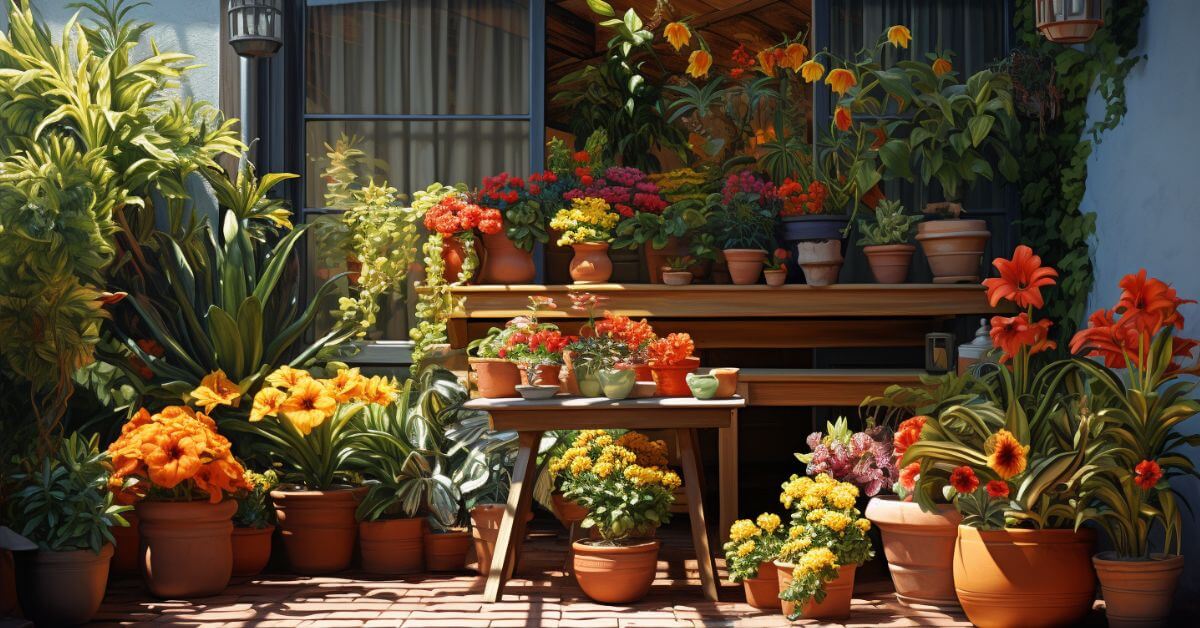
Selecting the Right Plants
Once you have chosen the appropriate containers for your patio garden, it’s time to consider the plants you want to grow. The success of your container garden largely depends on selecting the right plants that will thrive in your specific conditions. Here are some factors to consider when selecting plants for your container garden.
Consider Your Climate
One of the most crucial factors to consider when choosing plants for your container garden is your local climate. Different plants have different temperature and humidity requirements.
Some plants thrive in hot and dry conditions, while others prefer cool and moist environments. Understanding your climate will help you choose plants that are more likely to succeed in your area.
Research the hardiness zones for your region and choose plants that are suitable for your climate. Consider the average temperatures, rainfall patterns, and the length of the growing season. This information will guide you in selecting plants that can tolerate the specific conditions of your patio garden.
Assess Sunlight Requirements
Sunlight is another essential factor to consider when choosing plants for your container garden. Some plants thrive in full sun, while others prefer partial shade. Determining the amount of sunlight your patio or balcony receives throughout the day will help you select plants that will thrive in those conditions.
Observe your outdoor space and note which areas receive direct sunlight, partial shade, or full shade. Keep in mind that the sunlight conditions may vary throughout the day.
If you have areas that receive intense sunlight for long periods, choose plants that can tolerate and thrive in those conditions. Similarly, if you have shaded areas, select shade-loving plants that can thrive in lower light levels.
Choose Plants with Similar Needs
When creating a container garden, it is essential to choose plants that have similar needs in terms of water, sunlight, and soil conditions. Grouping plants with similar requirements together will make it easier for you to provide the necessary care and maintenance.
Consider the water requirements of the plants you intend to grow. Some plants prefer moist soil, while others prefer drier conditions. Avoid grouping plants with different moisture needs in the same container, as this can lead to overwatering or underwatering.
Similarly, consider the pH and nutrient requirements of the plants. Some plants prefer acidic soil, while others thrive in alkaline conditions. Grouping plants with similar pH requirements will ensure that they receive optimal nutrients and thrive.
By selecting plants with similar needs, you can create a harmonious and thriving container garden.
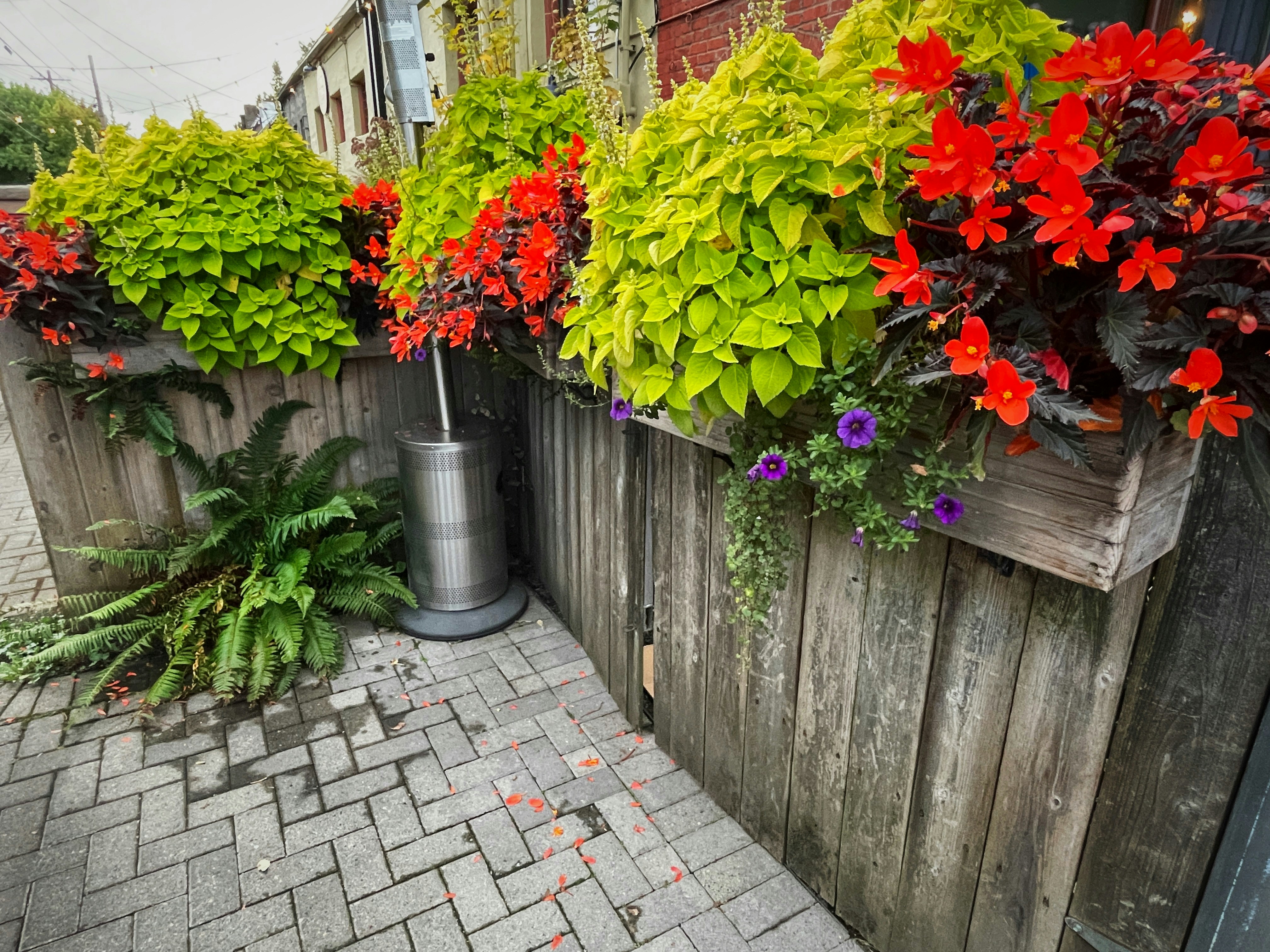
Prepping the Containers
Before planting your chosen plants, it’s important to properly prep your containers to ensure optimal growing conditions. Here are some steps to follow when prepping your containers for planting:
Clean the Containers
Start by cleaning your containers. If you are reusing containers from a previous season, make sure to wash them thoroughly. Use a solution of mild soap and water to remove any dirt, debris, or residue. Rinse the containers well and allow them to dry completely before proceeding.
Cleaning the containers helps prevent the spread of diseases and pests. It also ensures that the plants have a clean and healthy environment to grow in.
Apply a Protective Coating
To extend the lifespan of your containers and protect them from moisture damage, consider applying a protective coating. This is especially important if you are using wooden containers, as they are more susceptible to rotting.
You can use a waterproof sealant or a specialized container sealant to coat the inside and outside of the containers. Follow the manufacturer’s instructions for application and allow the coating to dry completely before proceeding.
Add Drainage Material
To ensure proper drainage in your containers, add a layer of drainage material at the bottom. This helps prevent waterlogging and root rot.
You can use gravel, small rocks, or broken pottery pieces as drainage material. Place a layer about an inch thick at the bottom of the container before adding the potting mix.
Adding drainage material creates a barrier between the soil and the drainage holes, allowing water to flow freely and preventing the soil from becoming compacted.
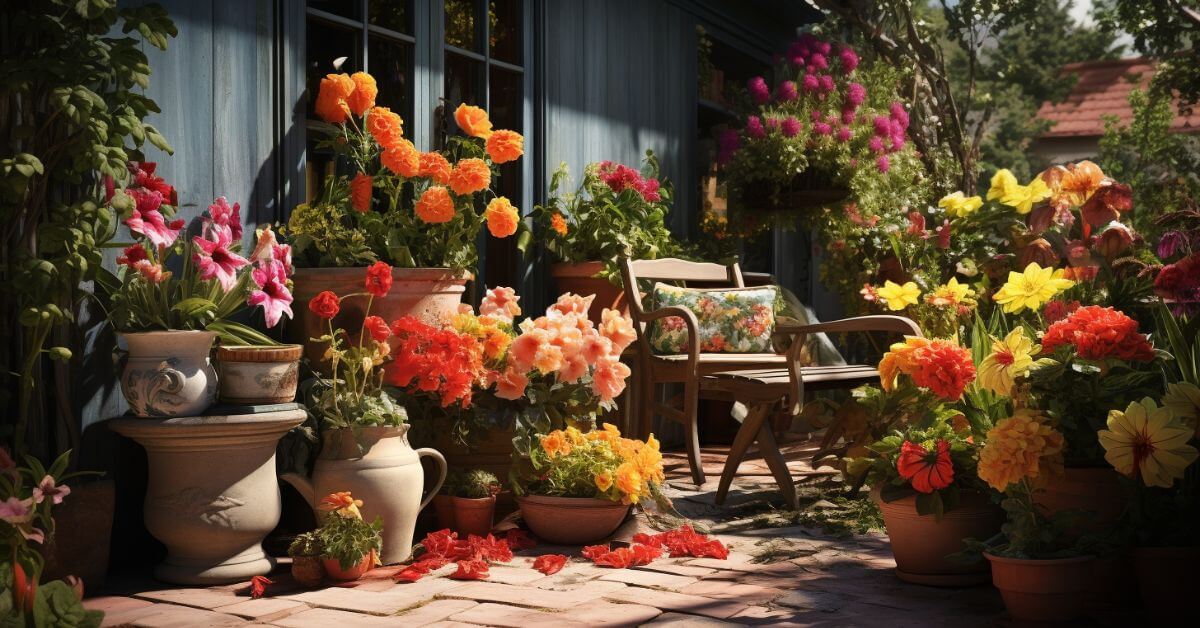
Creating the Perfect Soil Mix
The soil you use in your container garden plays a vital role in the overall health and success of your plants. A well-balanced and nutrient-rich soil mix will provide the necessary support and nutrients for your plants to thrive. Here are some tips for creating the perfect soil mix for your container garden.
Choose a High-Quality Potting Mix
When selecting a potting mix for your containers, opt for a high-quality mix that is specifically formulated for container gardening. Avoid using garden soil or topsoil, as they can become compacted and hinder root growth in containers.
A good potting mix should be well-draining, lightweight, and nutrient-rich. It should contain organic matter to improve soil fertility and moisture retention. Look for mixes that are labeled as “container mix” or “potting soil” and check the ingredients to ensure they meet your plants’ needs.
Add Organic Matter for Nutrients
To enhance the fertility and nutrient content of your soil mix, consider adding organic matter. Organic matter helps improve soil structure, retains moisture, and provides essential nutrients for plant growth.
You can incorporate compost, well-rotted manure, or leaf mold into your soil mix. These organic materials enrich the soil with beneficial microorganisms, improve drainage, and increase nutrient availability to the plants.
Add about 1/4th organic matter by volume to your potting mix to provide a healthy and nutrient-rich environment for your plants.
Consider pH Balance
The pH level of the soil is an important factor to consider when growing plants in containers. Different plants have different pH preferences, and maintaining the appropriate pH level will ensure optimal nutrient uptake and plant growth.
Most plants prefer a slightly acidic to neutral pH range, around 6.0 to 7.0. However, there are exceptions, such as acid-loving plants like azaleas and blueberries, which require more acidic soil.
Test the pH level of your potting mix using a pH testing kit. If the pH is too high or too low for your plants’ preferences, you can adjust it by adding amendments. For example, lime can be added to increase the pH, while sulfur can be added to lower the pH.
Maintaining the optimal pH level will help your plants thrive and prevent nutrient deficiencies.
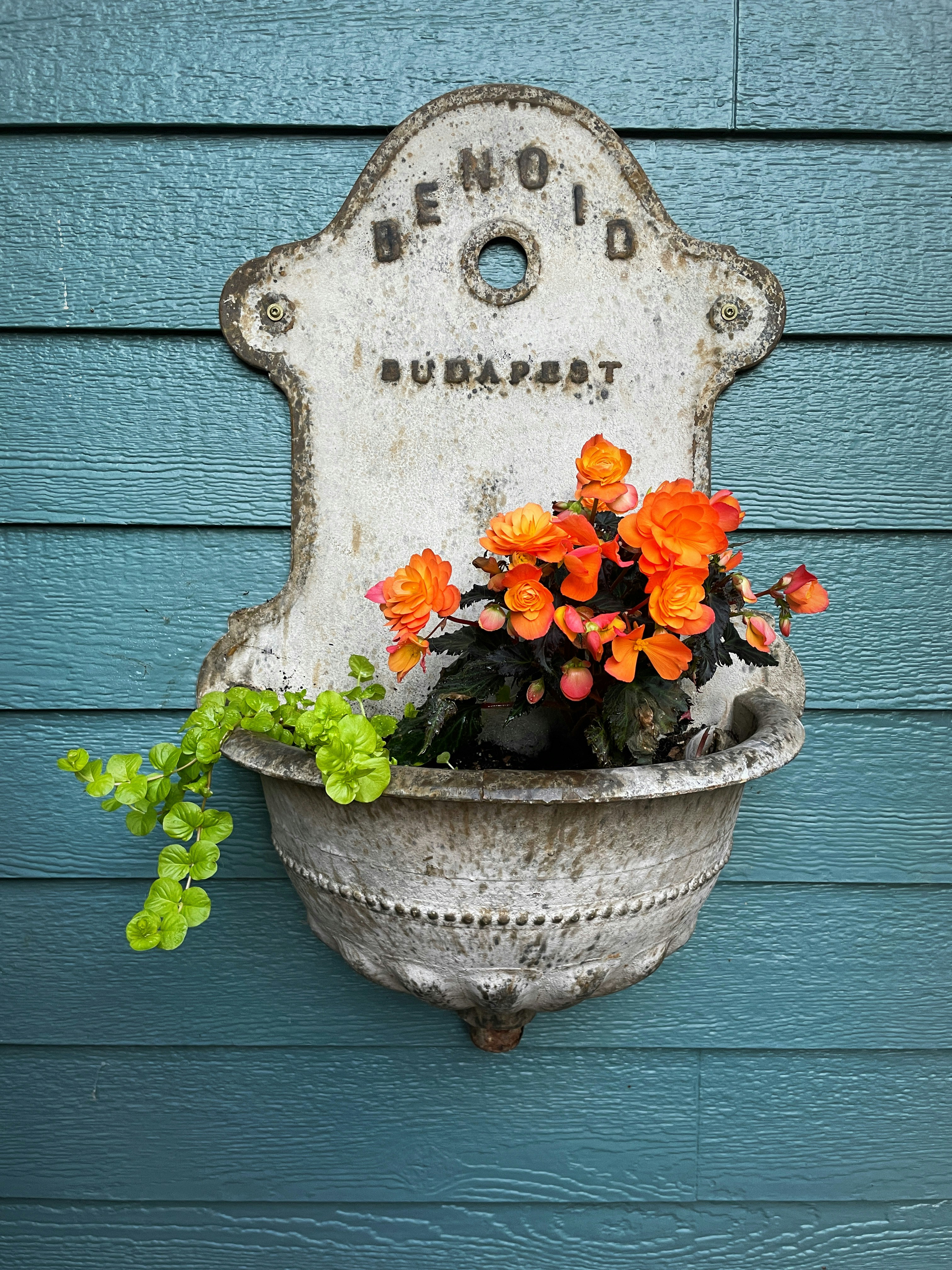
Watering Techniques
Proper watering is crucial for the health and growth of your container plants. Underwatering can lead to wilting and stunted growth, while overwatering can cause root rot and other diseases. Here are some watering techniques to ensure your plants receive the right amount of water.
Monitor Soil Moisture
It’s important to regularly monitor the moisture level of the soil in your containers. Stick your finger about an inch into the soil to determine whether it needs watering. If the soil feels dry at that depth, it’s time to water. If it feels moist, wait a little longer before watering.
Avoid relying solely on the surface appearance of the soil, as it can be misleading. The top layer of soil may appear dry while the deeper layers are still moist.
Watering Frequency and Amount
The frequency and amount of water your plants need will depend on various factors such as the plant species, container size, and weather conditions. As a general rule, water your containers when the top inch of soil feels dry to the touch.
Water your containers thoroughly until you see water draining from the bottom drainage holes. This ensures that the water reaches the entire root system and prevents waterlogging.
Avoid shallow watering, as it encourages shallow root growth and makes the plants more susceptible to drought stress. Deep watering promotes deep root development and makes the plants more resilient.
Avoid Overwatering
Overwatering is a common mistake in container gardening that can lead to root rot and other diseases. It’s important to strike a balance between providing enough water and avoiding waterlogged soil.
To prevent overwatering, make sure your containers have proper drainage holes and good airflow. Avoid using saucers or trays under the containers that can collect excess water. If your containers are located in an area with poor drainage, consider elevating them on risers or adding more drainage holes.
Additionally, it’s important to avoid watering on a fixed schedule. Instead, adjust your watering frequency and amount based on the specific needs of your plants and the prevailing weather conditions.
By following these watering techniques, you can ensure that your container plants receive the right amount of moisture for healthy growth.
Feeding and Fertilizing
Providing your container plants with appropriate nutrients is essential for their healthy growth and development. While potting mixes contain some nutrients, they can become depleted over time. Here are some tips for feeding and fertilizing your container garden.
Choose the Right Fertilizer
When it comes to fertilizing your container plants, choosing the right fertilizer is crucial. Different plants have different nutrient requirements, so it’s important to select a fertilizer that meets those needs.
There are three main types of fertilizers: liquid, granular, and organic.
Liquid fertilizers are quickly absorbed by the plants and provide an immediate nutrient boost. They are usually diluted in water and applied during watering.
Granular fertilizers are slow-release and release nutrients gradually over time. They are usually mixed into the soil or applied as a top dressing.
Organic fertilizers are derived from natural materials and provide a slow and steady nutrient release. They improve soil fertility and promote beneficial microorganisms.
Consider the specific nutrient needs of your plants and choose a fertilizer that provides those nutrients in the appropriate ratios. Follow the instructions on the fertilizer packaging for proper application rates and frequency.
Follow Proper Feeding Schedule
Establishing a feeding schedule is important to provide your container plants with a consistent supply of nutrients. Most plants benefit from regular feeding throughout the growing season.
Start fertilizing your container plants about a month after planting or when the initial nutrients in the potting mix begin to deplete. Feed your plants every 2-4 weeks during the growing season, or as recommended for the specific fertilizer you are using.
Avoid overfertilizing, as it can lead to nutrient burn and other problems. Follow the recommended application rates and adjust based on the specific needs of your plants.
Apply Fertilizer Correctly
To ensure that your container plants receive the full benefits of the fertilizer, it’s important to apply it correctly.
For liquid fertilizers, dilute the recommended amount in water according to the instructions on the packaging. Apply the fertilizer during watering to ensure even distribution. Make sure to wet the entire root ball, including the surface and the drainage holes.
For granular fertilizers, follow the recommended application rate and sprinkle the fertilizer evenly around the plant’s root zone. Gently work the fertilizer into the top inch of soil and water thoroughly.
For organic fertilizers, follow the manufacturer’s instructions for proper application rates. Apply the fertilizer evenly around the root zone and water well to activate the release of nutrients.
By choosing the right fertilizer, following a feeding schedule, and applying the fertilizer correctly, you can provide your container plants with the nutrients they need for healthy growth.
Pruning and Training
Pruning and training are essential techniques for maintaining the health and appearance of your container plants. Pruning promotes bushier growth, removes dead or diseased parts, and shapes the plants.
Training directs the growth of the plants in a desired direction. Here are some tips for pruning and training your container garden.
Promote Growth and Shape
Pruning plays a crucial role in promoting growth and shaping your container plants. Regular pruning encourages bushier growth, increases airflow around the plant, and prevents overcrowding.
Remove the dead, damaged, or diseased parts of your plants using clean and sharp pruning shears. This will help prevent the spread of diseases and pests.
Pinching or cutting back the tips of the plants can promote branching and bushier growth. This is especially beneficial for plants that tend to become leggy or elongated.
For plants with vining or trailing growth, such as ivy or petunia, pruning can help maintain a compact and tidy appearance. Trim back the long runners or stems to encourage branching and a fuller plant shape.
Remove Dead or Diseased Parts
Regularly inspect your container plants for any signs of disease or pests. Remove any dead or diseased parts immediately to prevent the spread of infection. This includes yellowing leaves, brown spots, or discolored stems.
Remove any fallen leaves or debris from the containers, as they can harbor pests and diseases.
Dispose of the removed plant parts carefully to avoid contamination. Do not compost diseased plant material, as it can reintroduce the pathogens into the garden.
Encourage Bushier Plants
To encourage bushier growth in your container plants, pinch or cut back the tips of the main stems or branches. This is known as “pinching out” and helps to redirect the plant’s energy into lateral growth and promotes a fuller appearance.
Pinching out can be done by simply using your fingers to pinch off the top few inches of a stem. This will stimulate the growth of new side shoots and increase the overall bushiness of the plant.
Regularly pinching out the tips of your container plants will help maintain a compact and attractive shape and prevent them from becoming leggy.
Pest and Disease Management
Like any garden, container gardens are susceptible to pests and diseases. It’s important to identify and manage these issues early to prevent damage to your plants. Here are some tips for pest and disease management in your container garden.
Identify Common Pests and Diseases
Familiarize yourself with the common pests and diseases that can affect container plants. Some common pests include aphids, whiteflies, spider mites, and snails. Diseases such as powdery mildew, root rot, and fungal infections can also occur.
Regularly inspect your plants for any signs of pests or diseases. Look for chewed leaves, yellowing or discolored foliage, webbing, or visible pests. Also, check the soil for signs of root rot or fungal growth.
Identifying the specific pest or disease affecting your plants will help you choose the appropriate management method.
Use Organic Pest Control Methods
In container gardening, it’s best to use organic pest control methods to minimize the use of chemicals. Organic pest control methods are safer for the environment, beneficial insects, and the overall health of your plants.
Some organic pest control methods include handpicking pests, using insecticidal soaps or oils, using physical barriers such as netting or row covers, companion planting, and introducing beneficial insects.
Handpicking pests can be effective for larger pests such as caterpillars or snails. Simply remove them from the plants by hand and dispose of them properly.
Insecticidal soaps or oils can be used to control soft-bodied pests such as aphids or whiteflies. Follow the instructions on the product packaging for proper application rates and techniques.
Companion planting involves growing specific plants that repel pests or attract beneficial insects. For example, planting marigolds can deter aphids, while growing herbs such as basil or dill can attract beneficial insects that feed on pests.
Monitor for Early Signs
Regularly monitor your container plants for any early signs of pests or diseases. Early detection and intervention are key to preventing the spread of pests or diseases and minimizing damage to your plants.
Inspect the leaves, stems, and soil of your plants for any changes or abnormalities. Look for discoloration, wilting, chewed leaves, or any signs of pest activity.
Taking action at the first sign of a problem will increase the chances of successful pest or disease management.
Seasonal Care
Container gardening requires some adjustments and care throughout the different seasons. Changes in temperature, humidity, and light levels can affect the health and growth of your plants. Here are some tips for seasonal care in your container garden.
Adjusting for Seasonal Variations
As the seasons change, you may need to adjust your watering and fertilizing schedules to accommodate the changing needs of your plants.
During the summer months, when temperatures are higher and evaporation rates increase, you will likely need to water more frequently. Monitor the moisture level of the soil and adjust your watering frequency accordingly.
In winter, when temperatures drop and plants enter dormancy, you may need to reduce watering to prevent overwatering or frozen soil. Check the moisture level of the soil and water only when necessary.
Additionally, consider the light levels in different seasons. In summer, some plants may benefit from partial shade to protect them from intense sunlight. In winter, make sure your plants receive adequate sunlight to prevent leggy growth.
Protecting Plants from Extreme Weather
Extreme weather conditions can pose risks to container plants. In hot summers, container plants can quickly dry out, leading to wilted or stressed plants. Provide shade or use shade cloths to protect your plants from intense sunlight.
In cold winters, freezing temperatures can damage the roots and foliage of container plants. Move your containers to a sheltered location, such as a garage or protected area, to provide insulation. You can also wrap the containers with bubble wrap or burlap to provide additional protection.
Overwintering Techniques
Some plants may not survive the cold winter temperatures and may need to be overwintered indoors. This is especially true for tender perennials or plants that are not hardy in your climate.
Before the first frost, dig up the plants from the containers and gently remove the excess soil from the roots. Prune back any leggy or damaged growth. Place the plants in a suitable container with fresh potting mix and water thoroughly.
Find a cool and well-lit location indoors, such as a basement or garage, where you can overwinter the plants. Maintain a cool temperature and reduce watering, as the plants will be in a dormant state. Monitor the plants regularly for signs of pests or diseases and provide occasional light watering if the soil becomes too dry.
By taking appropriate care and adjusting for seasonal variations, you can ensure the health and survival of your container plants throughout the year.
FAQs – Mastering Container Gardening on Patios
1. Why is choosing the right container important for patio gardening?
Selecting the right container is crucial for the success of your patio garden. It affects the health and growth of your plants, as different materials have different properties. Proper containers ensure adequate drainage, insulation, and space for the root system to develop.
2. Which materials are best for containers in a patio garden?
The most common materials for containers are plastic, clay, and wood. Plastic containers are lightweight and retain moisture well, while clay containers allow better air circulation. Wood containers provide excellent insulation for plant roots. Consider your specific needs and the requirements of your plants when choosing the material.
3. How do I determine the appropriate size of containers for my plants?
The size of containers is essential for the health of your plants. The container should be at least twice the size of the plant’s root ball, allowing ample room for growth. Avoid containers that are too small, as they can restrict root development, and containers that are too large, as they may retain too much moisture.
4. How do I ensure proper drainage in my containers?
Good drainage is crucial for healthy plant growth. Choose containers with drainage holes at the bottom. Additionally, place a layer of gravel or broken pottery at the container’s bottom to facilitate drainage. Elevating the containers on pot feet or bricks can also help improve drainage.
5. How do I select the right plants for my patio garden?
Consider your local climate, sunlight conditions, and the water and soil needs of the plants. Research the hardiness zones for your region and choose plants that can tolerate the specific conditions of your patio garden. Group plants with similar needs together for easier care and maintenance.
6. How should I prepare my containers before planting?
Clean the containers thoroughly with mild soap and water. Apply a protective coating, especially for wooden containers, to prevent moisture damage. Add a layer of drainage material at the bottom to facilitate proper drainage and prevent soil compaction.
7. What should I consider when creating the soil mix for my containers?
Opt for a high-quality potting mix specifically formulated for container gardening. Add organic matter such as compost, well-rotted manure, or leaf mold to improve soil fertility and moisture retention. Consider the pH balance and adjust if necessary to match your plants’ preferences.
8. How do I water my container plants correctly?
Monitor the soil moisture regularly by checking the top inch of soil. Water when it feels dry to the touch. Water the containers thoroughly until water drains from the bottom drainage holes. Avoid overwatering and shallow watering, as both can be harmful to your plants.
9. How often should I fertilize my container plants?
Start fertilizing about a month after planting, or when the initial nutrients in the potting mix begin to deplete. Feed your plants every 2-4 weeks during the growing season, or as recommended for the specific fertilizer you are using. Avoid overfertilizing to prevent nutrient burn.
**10. How do I prune and train my container plants?**
Pruning promotes bushier growth and removes dead or diseased parts. Training directs the growth of the plants. Regularly inspect your plants and remove any dead or diseased parts. Pinch or cut back the tips of stems to encourage branching and bushier growth. For vining or trailing plants, trim back long runners to maintain a compact shape.
11. How can I protect my container plants from pests and diseases?
Identify common pests and diseases and regularly inspect your plants for any signs. Use organic pest control methods, such as handpicking pests, using insecticidal soaps or oils, companion planting, and introducing beneficial insects. Early detection and intervention are essential for successful management.
12. What should I do to care for my container plants during different seasons?
Adjust your watering and fertilizing schedules according to the changing needs of your plants due to seasonal variations. Protect your plants from extreme weather conditions, such as intense sunlight or freezing temperatures. Overwinter tender plants indoors when necessary.
13. What are some overwintering techniques for container plants?
Before the first frost, dig up plants from the containers, prune back leggy growth, and replant in a suitable container with fresh potting mix. Move the plants indoors to a cool and well-lit location, reduce watering, and monitor for pests or diseases.
Summary
Container gardening is a rewarding and versatile way to create a garden in small spaces. By choosing the right containers, selecting suitable plants, prepping the containers properly, providing the perfect soil mix, mastering watering techniques, and applying the necessary care and maintenance, you can create a thriving container garden on your patio or balcony.
Remember to consider the materials and size when choosing containers, ensure proper drainage, and match plants with similar needs. Prep your containers by cleaning them, applying a protective coating, and adding drainage material. Create the perfect soil mix by choosing high-quality potting mix, adding organic matter, and considering pH balance.
Master watering techniques by monitoring soil moisture, adjusting watering frequency and amount, and avoiding overwatering. Feed and fertilize your plants appropriately by choosing the right fertilizer, following a proper feeding schedule, and applying the fertilizer correctly.
Prune and train your plants to promote growth and shape, remove dead or diseased parts, and encourage bushier growth. Manage pests and diseases by identifying common issues, using organic pest control methods, and monitoring for early signs.
Lastly, adjust for seasonal variations, protect plants from extreme weather, and use overwintering techniques when necessary.
By following these tips and tricks, mastering container gardening will be easy and you will enjoy the beauty and benefits of a thriving patio garden. Experiment, practice, and most importantly, have fun as you expand your green thumb and create a vibrant oasis on your patio or balcony. Happy gardening!

